
Researchers at Stanford Medicine have developed a novel nasal spray vaccine demonstrating the potential for simultaneous protection against multiple infectious diseases, including COVID-19, influenza, and pneumonia. This intranasal vaccine aims to provide broad protection in the lungs for several months.
Preclinical studies in mice showed that vaccinated animals were protected against respiratory viruses for at least three months. In contrast, unvaccinated mice experienced severe illness, including weight loss, lung inflammation, and death. Vaccinated mice survived with clear lungs.
The vaccine also provided protection against SARS-CoV-2, other coronaviruses, common hospital-acquired infections like Staphylococcus aureus and Acinetobacter baumannii, and even common allergens such as house dust mites.
Senior study author Bali Pulendran stated that the vaccine trains the immune system in the lungs to offer broad protection against various respiratory threats, including novel viruses, by reprogramming innate immune cells. If successful in humans, this could replace annual vaccinations for seasonal infections and provide a defense against emerging pandemic viruses.
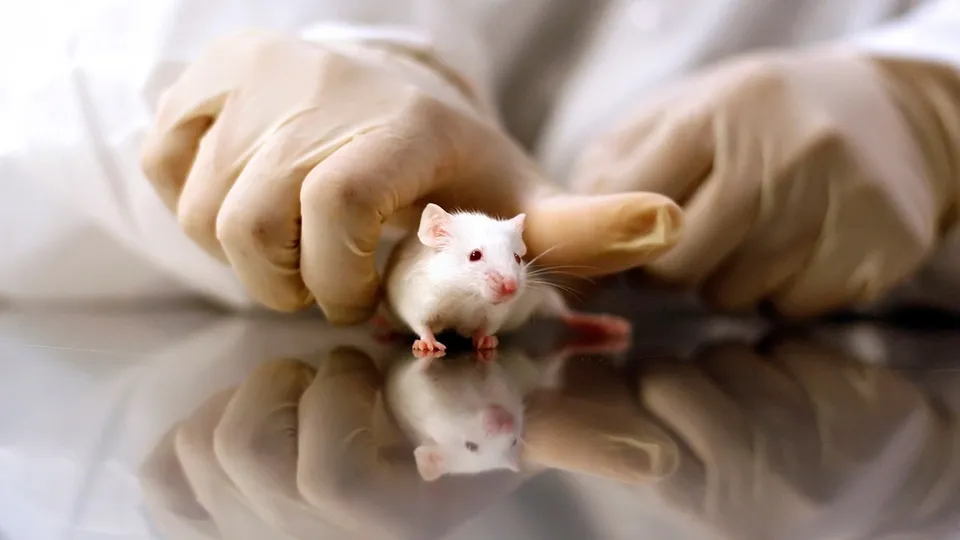
While the results are encouraging, researchers emphasize that this is a preclinical study and not a finished human vaccine. Further studies are necessary to confirm safety, optimal dosage, and effectiveness in people. Experts advise continuing to rely on current, approved vaccines and public health guidance.
With adequate funding, the researchers project the nasal spray vaccine could be available in five to seven years. The study received funding from the National Institutes of Health and other endowments.