
Minnesota health officials are issuing a warning regarding an outbreak of a contagious fungal skin infection, identified as Trichophyton mentagrophytes genotype VII (TMVII). This fungus is the same species responsible for ringworm.
The primary symptom of TMVII infection is the appearance of round, red, and irritated rashes that spread across the body. These rashes can be both itchy and painful.
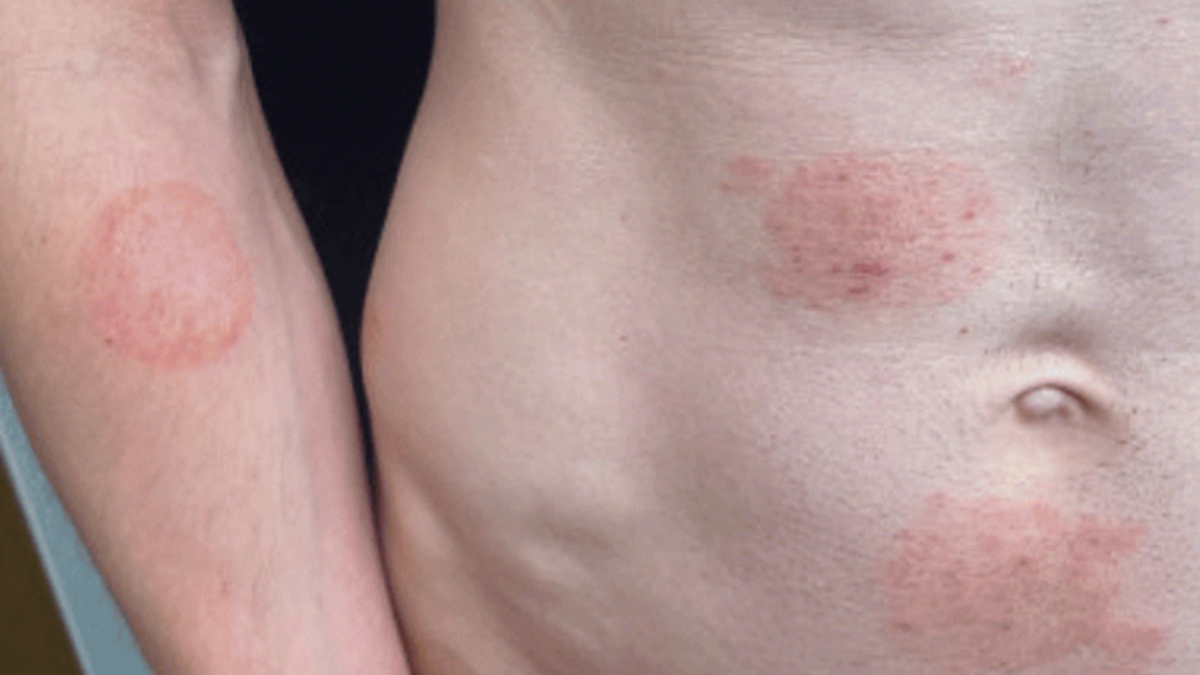
According to infectious disease experts, TMVII is a specific type of fungus within the family that typically causes conditions like ringworm, jock itch, and athlete's foot. The symptoms are comparable to those of common ringworm or jock itch, varying based on the infected body part. Lesions often appear as itchy, round spots with a rough texture, potentially mistaken for eczema.
The first confirmed case of TMVII in Minnesota was recorded in July 2025. Since then, an additional 13 cases have been confirmed, with another 27 suspected within the state. The first U.S. case was identified in New York in 2024, and the Centers for Disease Control and Prevention has confirmed cases in multiple American cities.
This infection spreads through direct skin-to-skin contact with the fungus, including sexual activity. Fungal spores can also transfer via contaminated objects and surfaces, such as shared towels or walking barefoot in communal bathing areas.

Experts note that TMVII is currently the only identified fungal sexually transmitted disease. While populations at higher risk include men who have sex with men and commercial sex workers, the infection can transmit from any infected individual. Those with a history of sexually transmitted infections are also more vulnerable.
Diagnosis is typically based on the rash's appearance and its resistance to standard over-the-counter antifungal treatments. Confirmed diagnosis may involve skin scraping, though treatment often begins before test results are available.
The Minnesota outbreak is notable for its mode of transmission, primarily through sexual contact. Health officials stress that the spread within networks can lead to outbreaks.

For immunocompromised individuals, lesions can be more severe. If left untreated, some rashes may result in scarring or worsen into more serious infections. While typical ringworm or athlete's foot cases often resolve with topical antifungal creams, TMVII commonly requires oral antifungal medication, sometimes for several weeks. Current antifungal medications are reported to be effective against TMVII.
To mitigate spread, individuals experiencing symptoms are advised to avoid close skin-to-skin contact and refrain from sharing personal items. Thoroughly washing all linens and towels on high heat and sanitizing bathing areas are also recommended. Health officials urge anyone with symptoms to seek immediate medical care. Minnesota healthcare providers are encouraged to report suspected cases for testing.