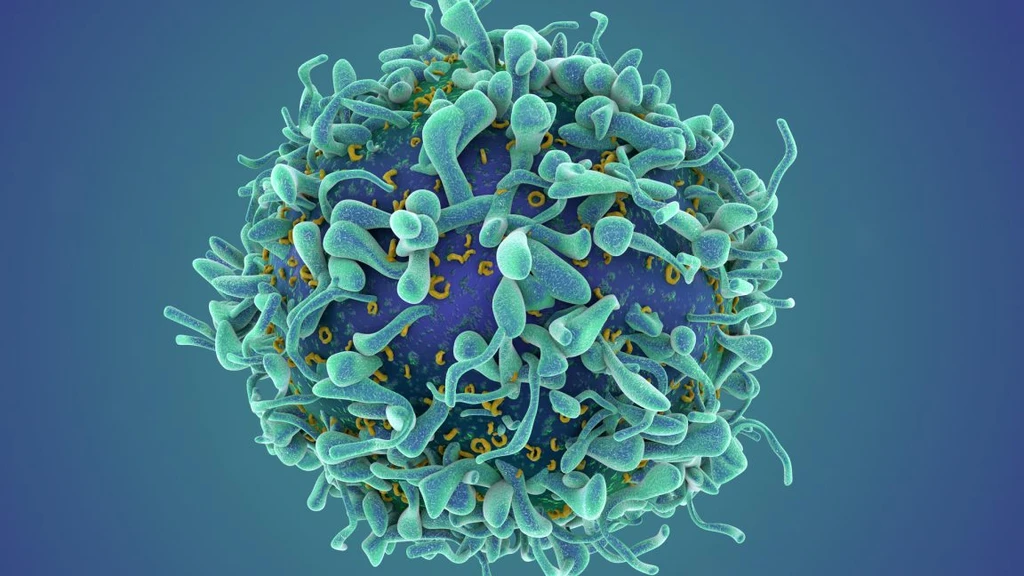
CAR T cell therapy, a treatment originally designed to fight blood cancers, is now being tested in hundreds of clinical trials for autoimmune diseases like multiple sclerosis, lupus, and Graves' disease. The approach involves reprogramming a patient's T cells to hunt and destroy the rogue B cells that cause the immune system to attack healthy tissue, potentially resetting the body's defenses.
In a groundbreaking trial at the University of Nebraska Medical Center, Jan Janisch-Hanzlik, a 49-year-old with multiple sclerosis, became the first patient to receive this experimental therapy for MS. Nearly a year after treatment, she no longer needs a cane, has stopped falling, and no longer requires daily naps. While some symptoms remain, she calls the results life-changing.
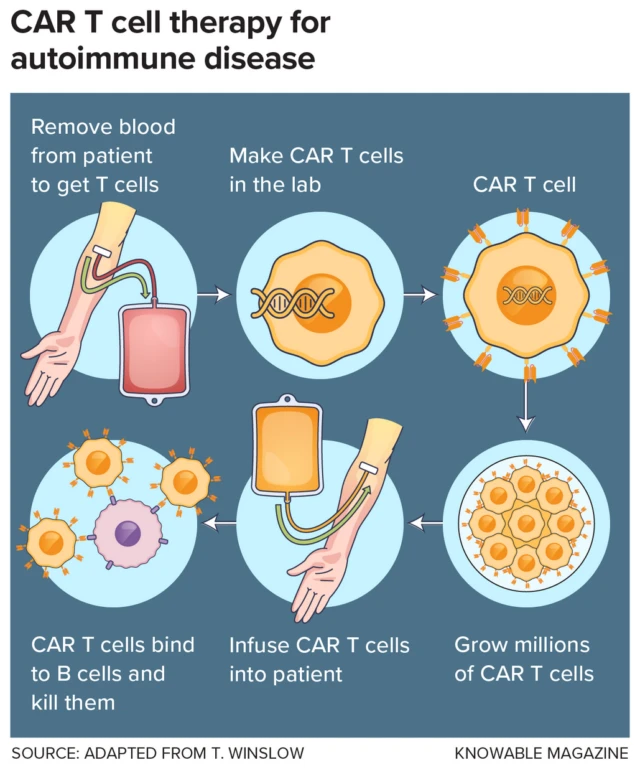
Preliminary results from other studies are also striking. A trial for stiff person syndrome at the University of Colorado showed that all 26 patients stopped using other immunotherapies after a single dose of CAR T.
However, the treatment carries significant risks, including severe inflammation and a small chance of secondary cancers. The cost is also substantial, often reaching hundreds of thousands of dollars. Researchers are working on safer, cheaper 'off-the-shelf' versions, including one from Cartesian Therapeutics that uses mRNA technology.