
The hives first appeared in her 20s after using a laundromat. They formed the exact outline of her undergarments. Antihistamines failed. Only corticosteroid injections and pills provided temporary relief before the angry red welts vanished after a week.
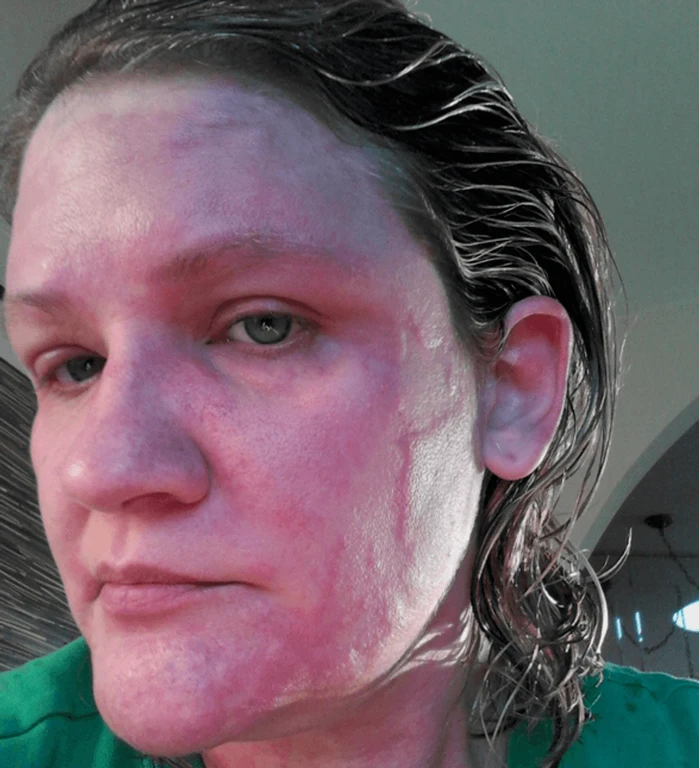
But the episodes returned unpredictably. Allergists could not identify a trigger. For nearly two decades, her life paused during outbreaks. The sensation was not like insect bites. It felt like razor burn covered by wool. A light scratch would create raised welts, a phenomenon known as dermatographism.
After turning 40, the attacks grew longer and resisted standard treatments. In 2019, an outbreak lasted for months, making it impossible to sit still, sleep, or work. Despite detailed diaries tracking food and environment, no pattern or allergen emerged. Medical professionals often suggested reducing stress, a myth that minimized a severe physical reaction.
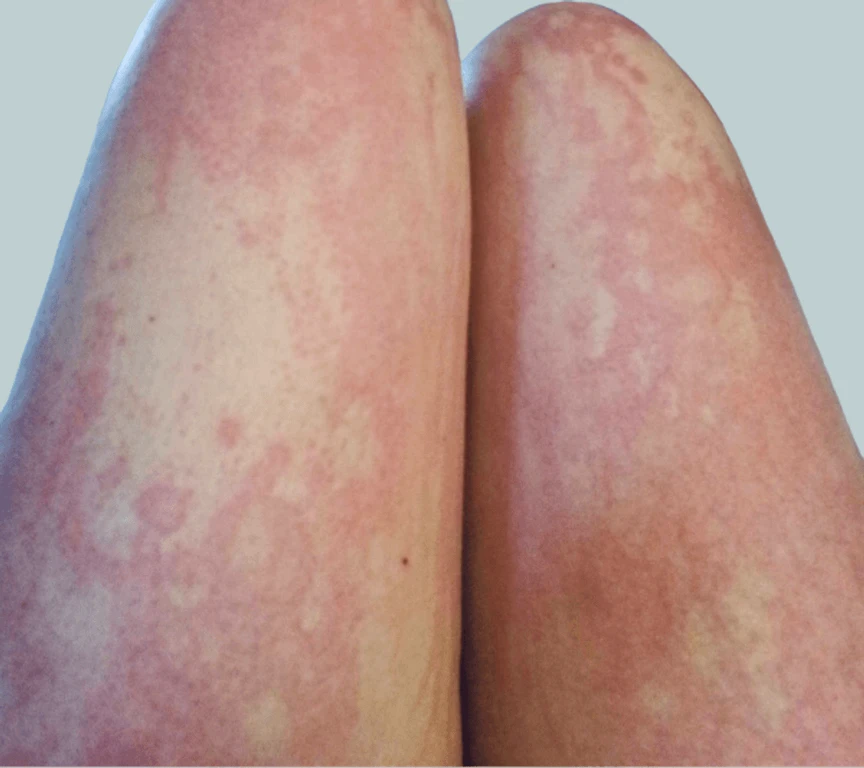
Already diagnosed with Graves' disease, she suspected an autoimmune link. An immunologist finally diagnosed chronic spontaneous urticaria (CSU), a condition rarely tied to allergies. She began a monthly biologic injection therapy in both arms. For three months, there was no change. Urged by a pharmacologist friend to persist, she continued.
By the sixth month, the hives vanished completely. The overwhelming pain and itch have not returned. Today, she channels her hard-won hope into patient advocacy, helping others with CSU find the relief that once seemed impossible.