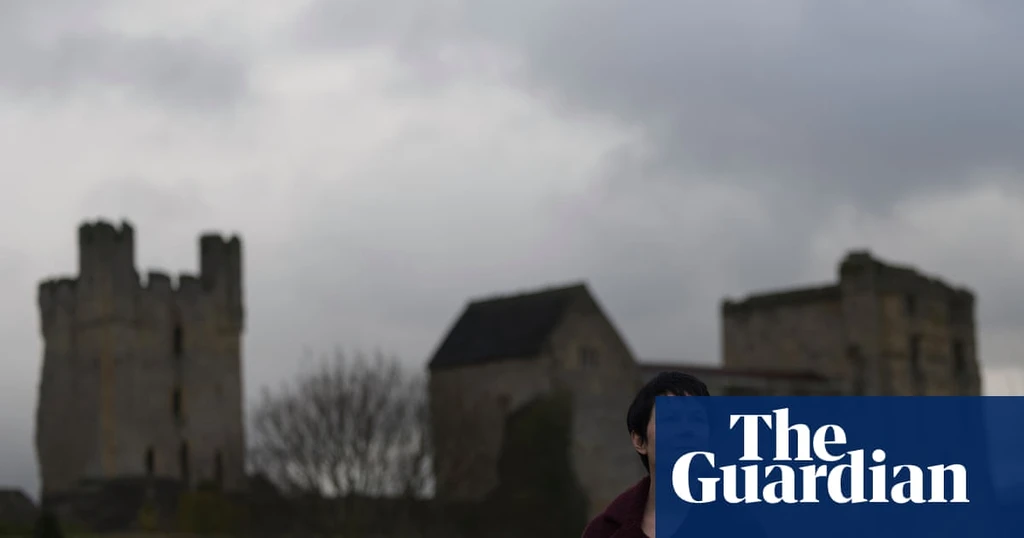
In the fading light of dusk, away from artificial illumination, a centuries-old practice is being revived. 'Dusking,' or schemeren, was once a common Dutch ritual where families observed the transition from day to night. Revived by Dutch author Marjolijn van Heemstra, dusking encourages a focused attention on the gradual descent of darkness, promoting mindfulness and a connection with the natural world.
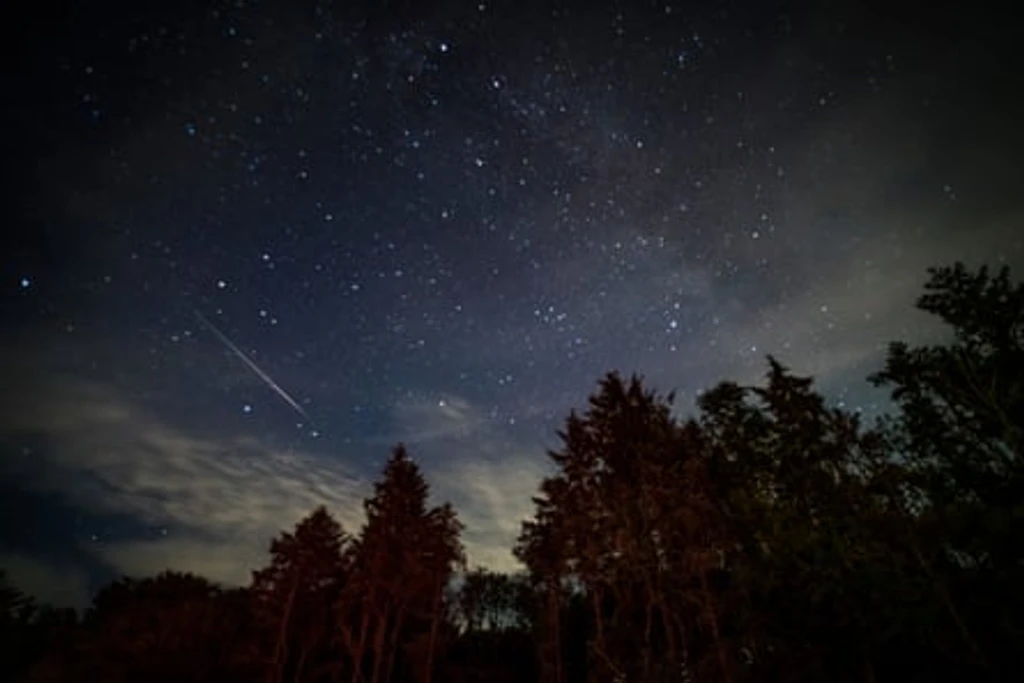
Van Heemstra describes dusking as a 'conversation with the world around you,' distinct from meditation in its outward focus. It challenges the modern way of life, characterized by an 'attention crisis' and constant digital engagement. She argues that our estrangement from the natural world, particularly from darkness, contributes to unhappiness.
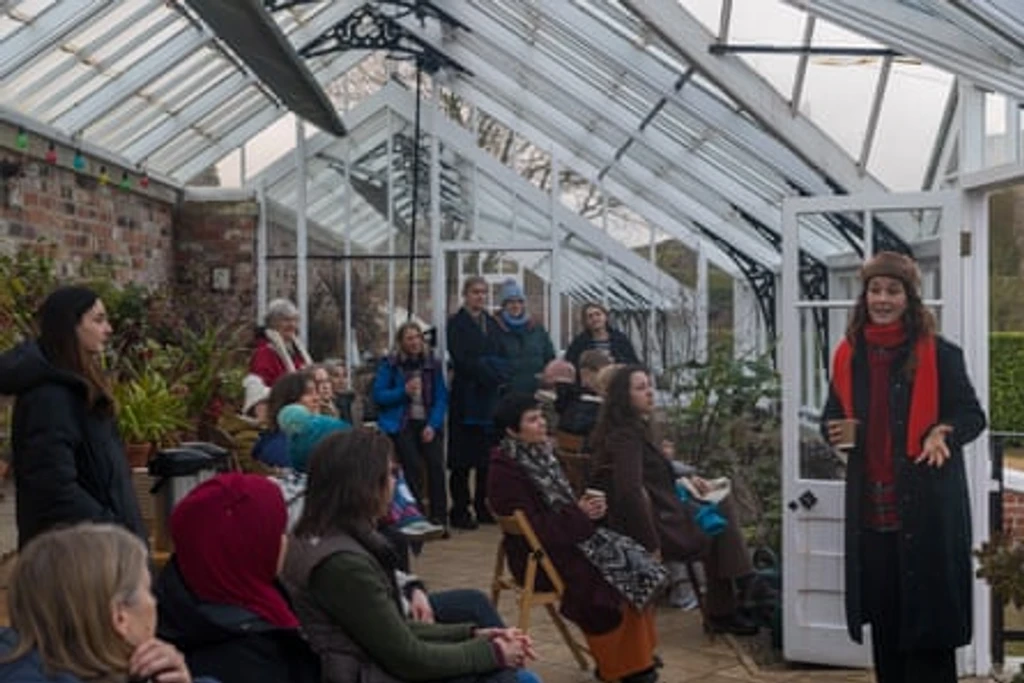
The practice is gaining traction, with events held across Europe. Light pollution is identified as a significant environmental and health issue, disrupting circadian rhythms and impacting wildlife. Studies indicate a global increase in skyglow and a dramatic reduction in the number of people experiencing truly dark skies. Conversely, designated 'dark sky places' are increasing awareness and encouraging lifestyle changes to mitigate light pollution.
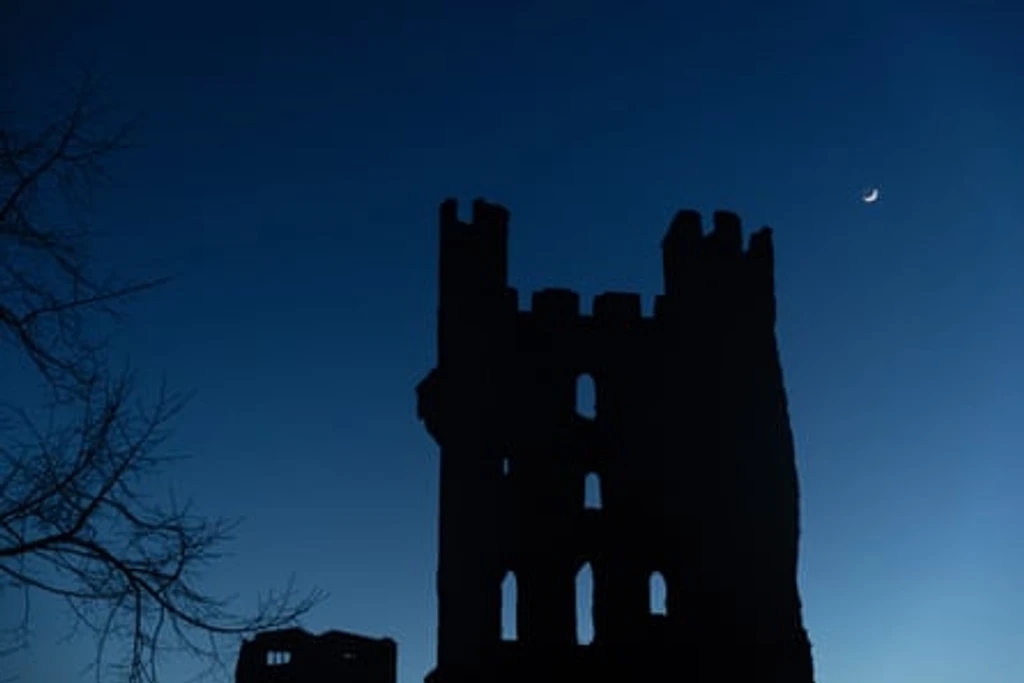
Dusking offers a simple, accessible method to reconnect with the natural rhythm of day and night. It requires only a chair and a view, making it a low-cost, impactful way to foster a sense of calm and wonder, proving that what we've lost in darkness can be rediscovered.