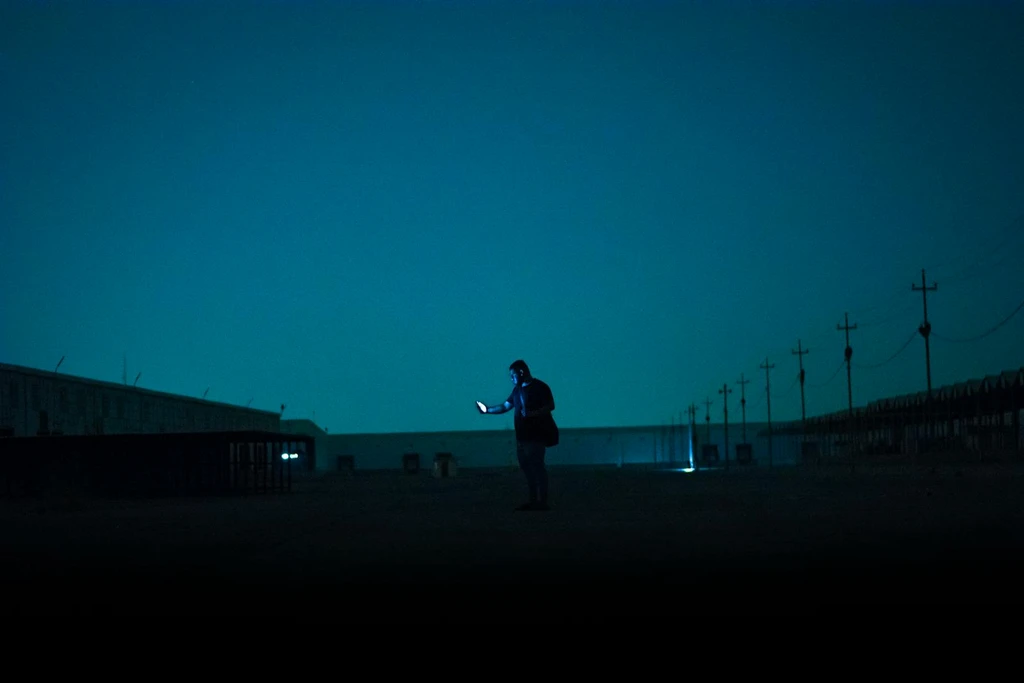
The impulse to grab your phone in quiet moments isn't about digital addiction, but a deeper avoidance strategy. When distractions fade, our minds naturally turn to processing the day's events - unresolved conversations, unspoken feelings, and underlying life concerns. This is the brain's default mode network at work, surfacing material we've pushed aside.
This behavior is a form of experiential avoidance, where we use devices like phones as "escape vehicles" to steer clear of uncomfortable internal experiences. The phone, being portable and socially acceptable, offers an immediate, effective way to sidestep these moments. The more we use it to avoid, the more intense these feelings become, creating a feedback loop, not a true addiction.
Circadian rhythms also play a role. In the evening, our natural trough reduces self-control and impairs our ability to regulate emotions. This makes the arrival of unprocessed thoughts more potent and our capacity to handle them weaker, leading to the instinctual reach for the phone.
This isn't a willpower failure. Removing the phone without addressing the underlying avoidance only shifts the behavior to other distractions. The light from the screen also biologically exacerbates mood regulation issues. The thoughts we're avoiding aren't problems to be solved, but a backlog to be cleared. They arrive with intensity due to delayed processing, not inherent danger.
What helps is not suppression, but a dedicated container for processing throughout the day. Activities like mindful walks without distractions allow these thoughts to surface in real-time, reducing the evening's psychological 'ambush.' Recognizing the phone as a shield against these unavoidable thoughts is the first step to needing it less.

The phone buys time, not peace. The longer it's used as a shield, the heavier the burden it conceals.