For over six decades, metformin has been a cornerstone treatment for type 2 diabetes-but its full mechanism remained elusive. Now, researchers at Baylor College of Medicine reveal the drug acts directly in the brain.
In a 2025 study, scientists found metformin targets the ventromedial hypothalamus (VMH), deactivating a protein called Rap1 to lower blood glucose. Mice genetically engineered without Rap1 showed no response to metformin, confirming the brain pathway’s critical role.
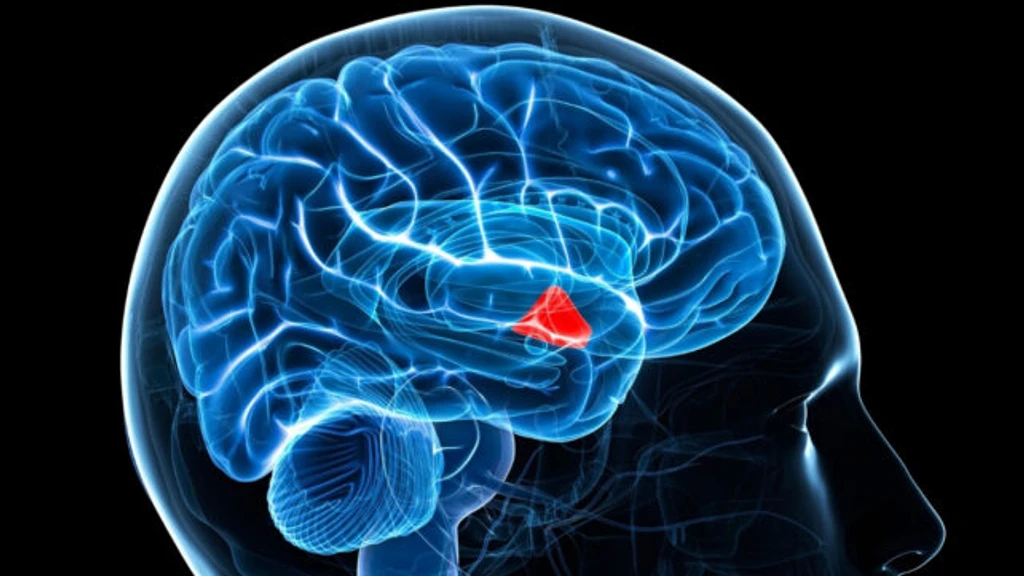
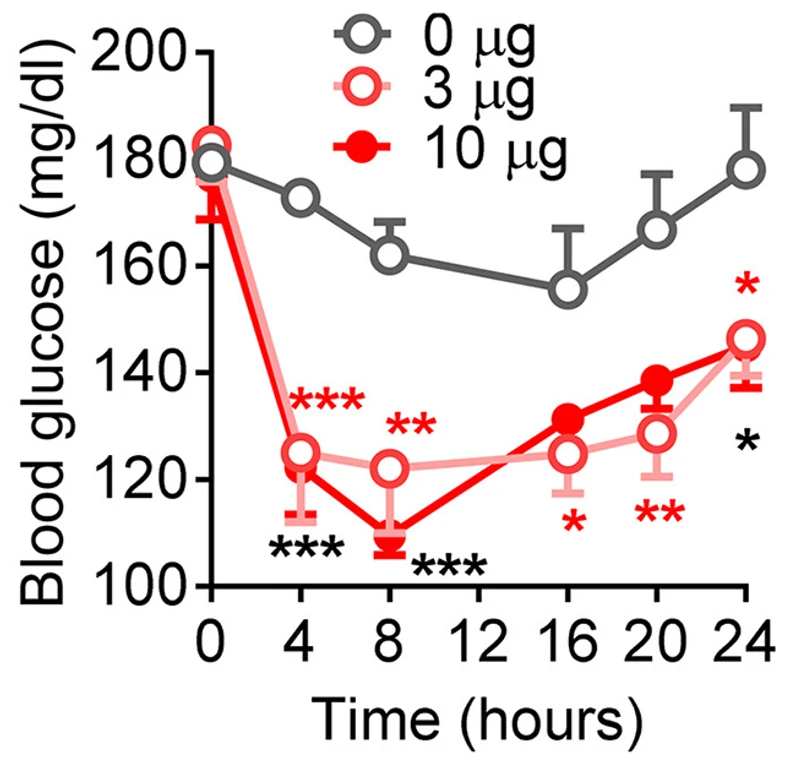
The team identified SF1 neurons in the VMH as key responders to the drug. Even low doses activated these brain cells-far less than needed for liver or gut effects.
Beyond glucose control, metformin is linked to slowed brain aging and exceptional longevity. A 2025 study of postmenopausal women found those on metformin had a 30% lower risk of dying before age 90 compared to users of sulfonylurea.
Researchers say this discovery could lead to precision therapies targeting brain pathways-and expand metformin’s use beyond diabetes.