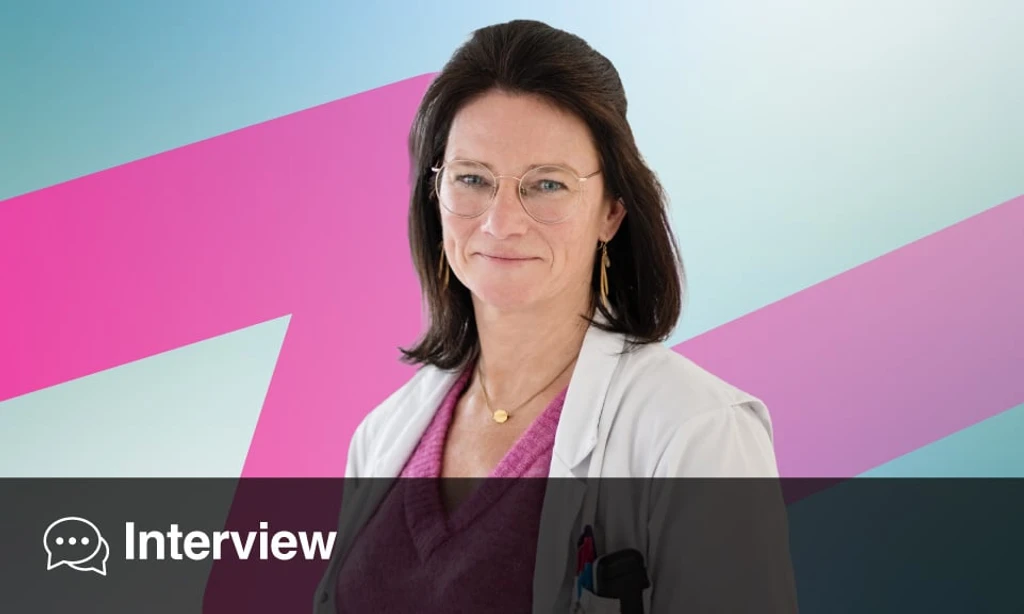
Dr. Filomeen Haerynck, a leading pediatric immunologist and researcher at Ghent University, is pioneering the field of inborn errors of immunity (IEI). Her work bridges frontline patient care with cutting-edge genetic research, aiming to unravel the complex genetic underpinnings of these disorders.
Dr. Haerynck's dual perspective as a clinician and researcher drives her focus on translational medicine. By integrating clinical observations with laboratory investigations, her team addresses critical gaps in understanding and treating IEI. Advances in next-generation sequencing have dramatically expanded the identification of disease-causing genes, from around 100 at the start of her career to over 500 today, with new discoveries reported weekly.
The Center for Primary Immunodeficiency Ghent (CPIG), co-coordinated by Dr. Haerynck, now cares for over 2,000 patients. Building this specialized center involved overcoming the challenge of establishing a truly multidisciplinary team. This collaborative approach, involving immunologists, geneticists, and specialists across various disciplines, has been key to improving diagnosis and patient outcomes. The center's recognition as a Jeffrey Modell Foundation Diagnostic and Research Center and a European Reference Network (ERN) center underscores its excellence.
Significant challenges remain in identifying the molecular defect in a substantial percentage of patients. Emerging areas like defects in non-coding regions, RNA genes, and somatic mutations are critical for future progress. Phenocopies, including somatic mutations and autoantibodies against cytokines, are particularly complex and fascinating areas of study.
Dr. Haerynck's team has identified novel disease-causing mutations, including in GTF3A and RC3H1. Discoveries like the role of a ribosomal RNA pseudogene in antiviral immunity and the gene dosage effect of RC3H1 mutations in hyperinflammatory syndromes and autoimmune diseases offer profound insights into immune dysregulation. These findings not only illuminate rare disorders but also provide valuable insights into more common autoimmune and rheumatological conditions.
The diagnostic odyssey for patients with IEI can be lengthy, with an average delay of 8-10 years worldwide. Advances in genetic and molecular diagnostics are crucial for timely diagnosis, targeted treatment, and proactive management. Identifying the underlying genetic defect is essential for genetic counseling and early identification of affected relatives.
Translating genetic discoveries into clinical practice relies heavily on collaboration. International sharing of data, samples, and expertise is paramount. The COVID-19 pandemic served as a powerful example of how global collaboration can accelerate research and discovery, a principle that continues to drive progress in IEI research.
The field is rapidly evolving, moving towards increasingly personalized medicine. While gene therapy is still nascent for many IEI, its potential is immense. The ability to identify precise molecular defects allows for more targeted therapies, moving away from broad immunosuppression and offering hope for improved outcomes.