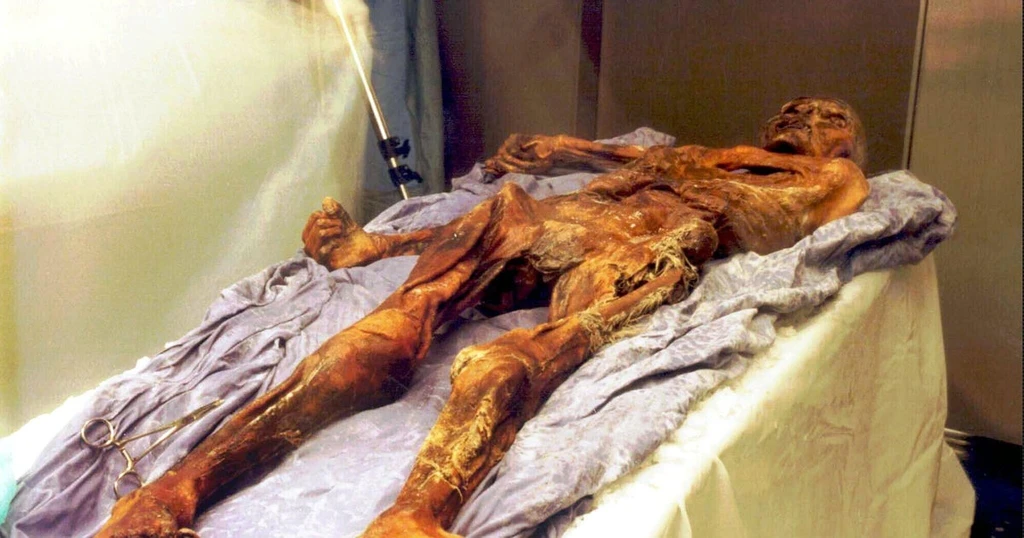
Scientists have made a remarkable discovery in the gut of Ötzi the Iceman, a 5,300-year-old frozen mummy: living yeast. The team at the Eurac Research institute in Bolzano, Italy, isolated four different strains of cold-adapted yeast from Ötzi's body, which they then used to create what they describe as a "very good sourdough" bread.
Ötzi, who was killed by an arrow in the Alps over five millennia ago, has been preserved in ice since his discovery in 1991. The study, published in the journal Microbiome, reveals that his body is not a biologically frozen time capsule but a dynamic ecosystem hosting micro-organisms that are still metabolically active. The yeast likely entered his body shortly after death and has survived in sub-zero conditions.
Lead author Mohamed Sarhan told AFP that after three months of effort, the yeast successfully produced a sourdough loaf. The scientists are now considering using it to brew beer. Beyond baking, the yeast showed an ability to break down phenol, a chemical used to treat the mummy, suggesting potential for bioremediation.
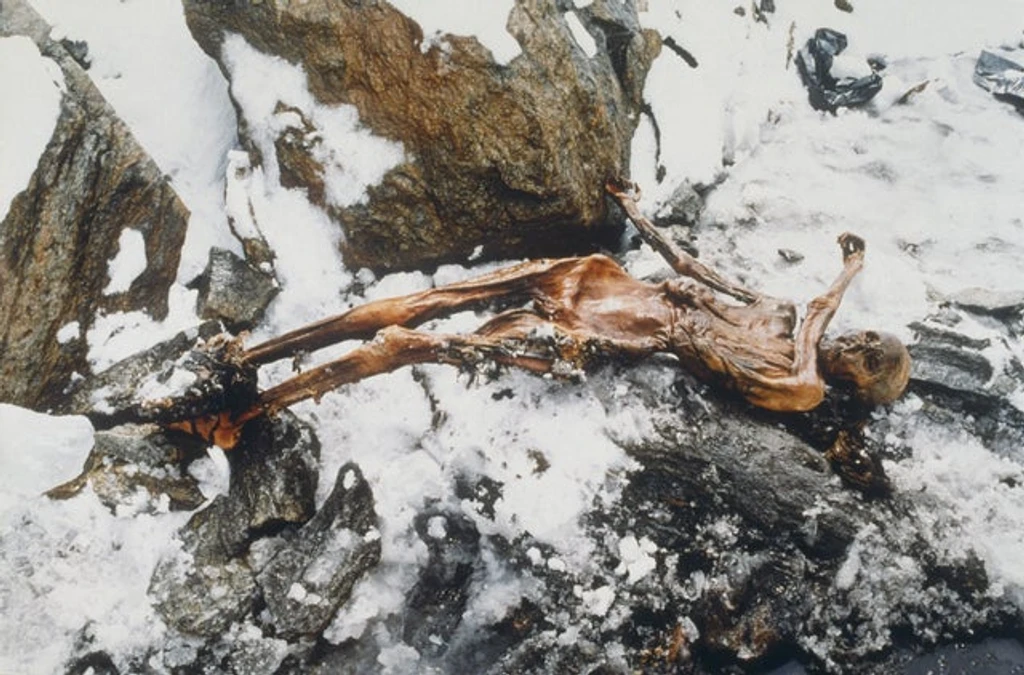
The study also found a gut bacteria in Ötzi that is almost absent in modern humans but present in some tribal populations and ancient salt-miner feces from Austria, offering a rare glimpse into the ancient human microbiome.