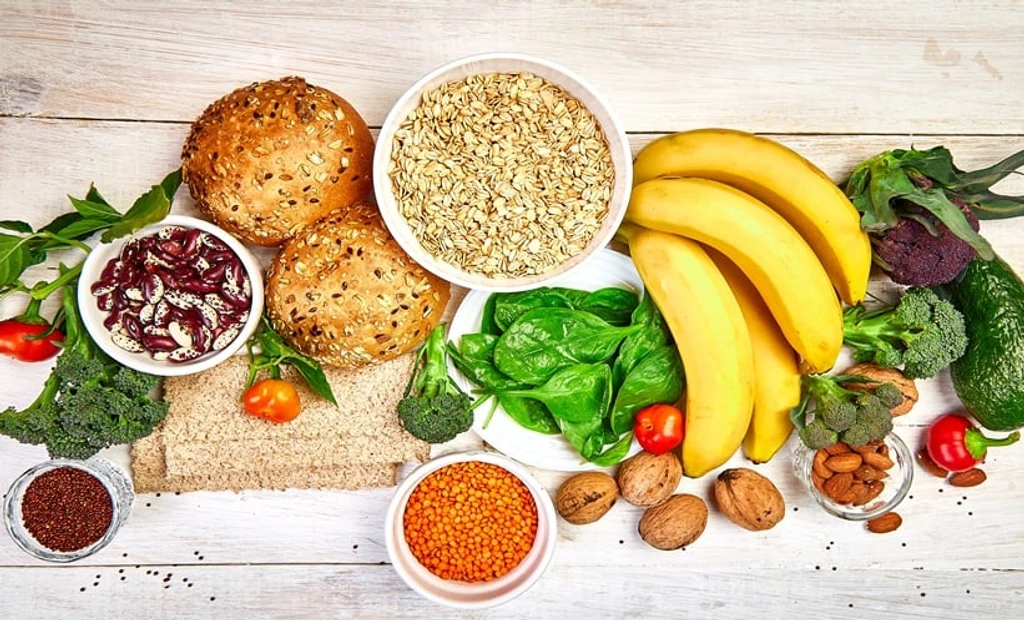
A new study reveals that clinical subtypes of type 2 diabetes are associated with distinct dietary patterns. Researchers analyzed data from over 1,000 adults with type 2 diabetes to understand how eating habits vary between groups and their impact on complications.
The study identified three main dietary patterns: "meat, fast food and eating out," "sugar-laden food and drinks," and "plant-based and dairy."
Participants with mild age-related diabetes (MARD-II) were most likely to follow a plant-based and dairy diet. In contrast, those with mild obesity-related diabetes (MOD) and severe insulin-resistant diabetes (SIRD-RII) predominantly consumed diets high in sugar-laden foods and drinks or meat and fast food.
These dietary patterns were linked to differing risks of comorbidities. Unhealthy dietary patterns, such as high sugar intake or frequent consumption of fast food and meat, were associated with poorer health outcomes, particularly in the MOD and SIRD-RII groups.
The findings emphasize the heterogeneity of type 2 diabetes and support the need for personalized nutritional interventions tailored to specific patient subtypes, moving away from a one-size-fits-all approach to diabetes management.