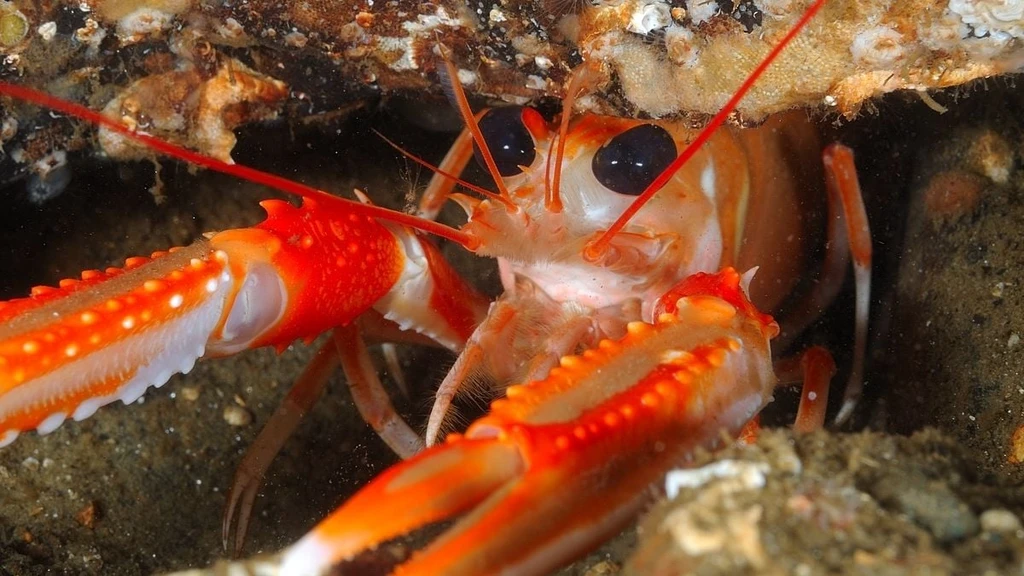
Scientists have found that common human painkillers significantly alter how Norway lobsters react to unpleasant stimuli. Administering these analgesics before a mild electric shock reduced the escape behavior, such as tail flipping, in the crustaceans.
This rigorous study adds compelling evidence that crustaceans like lobsters experience nociception, the physical detection of harm, which is a key criterion defining animal pain. Zoophysiologist Lynne Sneddon stated that previous evidence showed decapod crustaceans exhibit signs of discomfort when injured, and these new experiments demonstrate they react adversely to electric shocks.
The capacity for animals to feel pain is difficult to determine. Historically, this ambiguity has led to practices like boiling lobsters alive, a practice now outlawed as animal cruelty in many regions. The UK government has officially recognized lobsters, octopuses, and crabs as sentient beings.
Establishing pain or nociception in crustaceans remains challenging. The International Association for the Study of Pain recently updated its definition of pain to include an "unpleasant sensory and emotional experience associated with, or resembling that associated with, actual or potential tissue damage."
Researchers tested Norway lobsters by applying a mild electric current to their tanks. Some lobsters received painkillers, such as aspirin or lidocaine, before the shock or handling. Lobsters administered painkillers showed a significant decrease or complete disappearance of tail-flipping escape responses.

Changes in blood chemistry and gene activity in the shocked lobsters also indicated an elevated stress response. Sneddon noted the similarity in functioning between humans and lobsters, emphasizing the importance of humane treatment. The findings suggest a need to improve welfare standards for decapods in culinary, aquaculture, and laboratory settings.
The study, published in Scientific Reports, provides a foundation for enhancing welfare standards for these animals.