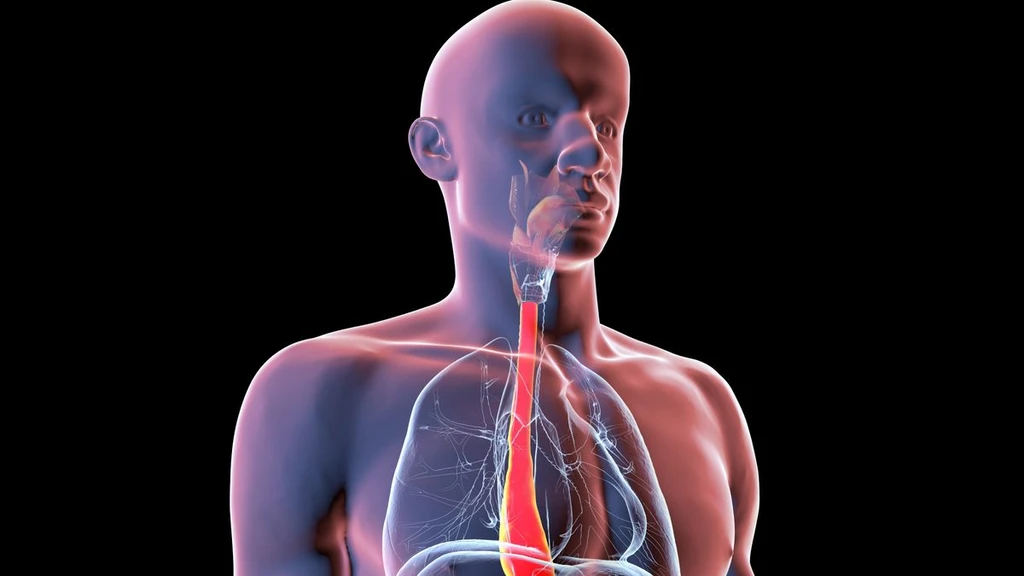
The creation of 'digital twins' for individuals is emerging as a groundbreaking approach to revolutionize future surgeries, offering highly personalized medical procedures. This technology, particularly for conditions like achalasia, allows for precise modeling of organs such as the esophagus.
Dr. John Pandolfino, a gastroenterologist, explains that achalasia occurs when the lower esophageal sphincter fails to relax, causing food to accumulate and posing a serious health risk. To address complications like diverticulum formation post-surgery, researchers developed a virtual esophagus model. This digital twin simulated millions of scenarios, varying surgical techniques and patient subtypes to predict optimal procedures and identify high-risk individuals.
This advanced modeling is currently focused on mechanical aspects of organ function, a significant step towards personalized surgical guidance. While complex molecular modeling is still a distant goal, the mechanical simulation capabilities are robust and adaptable across various organ systems, including the bladder and aorta. The technology promises prognostic value, identifying when medications might become ineffective due to anatomical changes.
Furthermore, digital twin technology is expected to reduce the reliance on animal research for surgical practice. By creating highly accurate simulations and even tactile physical models, surgeons can gain extensive training and understanding of organ mechanics and responses to stress, leading to improved human trials and ultimately, better patient care.