General Motors is entering a new era of engineering, one where AI and machine learning collapse months of work into minutes. Sterling Anderson, GM's chief product officer, describes this as the third epoch of design, moving beyond empirical iteration and functionally specific virtual tools to a single, probabilistic method for development.
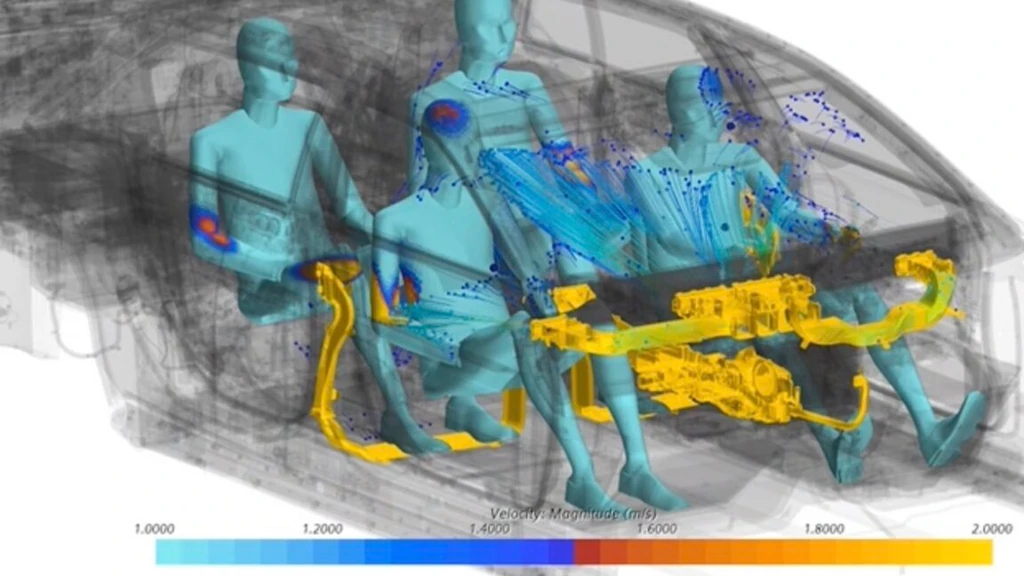
The results are staggering. FEA runs that historically took 15 hours now complete in just one minute. This speed allows engineers to run thousands of iterations, optimizing hardware and software simultaneously.
"We're giving our engineers a virtual environment where they can simultaneously optimize the hardware and the software... at a scale and speed nobody else in the industry is doing," said Jason Fischer, GM's executive director of virtual integration engineering.
The technology is already in use across GM's businesses: production vehicles, motorsport with NASCAR and Formula One, energy and batteries, defense, and its lunar program. Virtual tools now model complete vehicle behavior-from crash performance and HVAC systems to factory assembly lines-identifying and fixing issues long before a physical prototype is built.