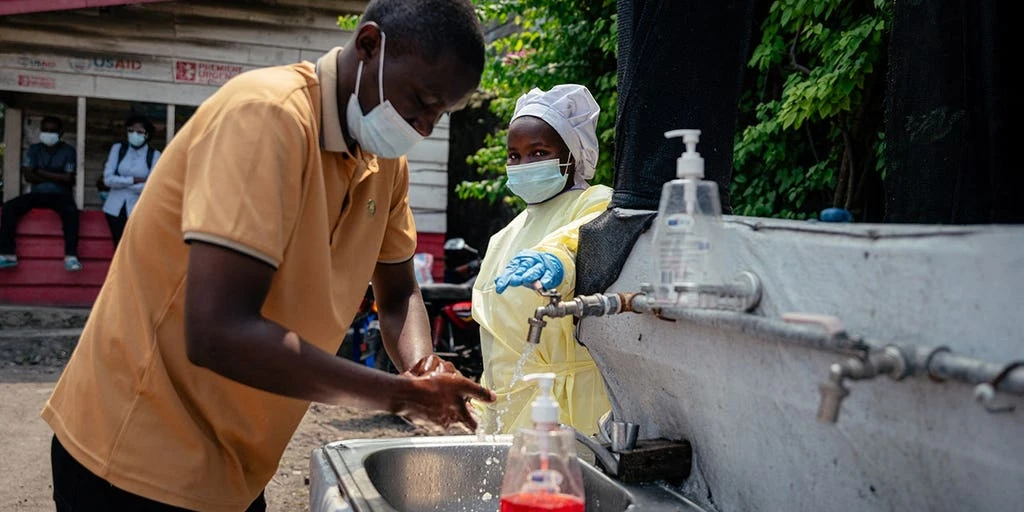
The World Health Organization has declared an international public health emergency as a growing Ebola outbreak in the Democratic Republic of Congo sparks concern the virus could spread beyond the region, including into the United States.
The outbreak has been linked to dozens of suspected deaths in the DRC and neighboring Uganda. One American tested positive for Ebola on May 17 while working in Congo and is being transported to Germany for treatment.
The CDC is coordinating the safe withdrawal of at least six Americans exposed to the outbreak. As of May 18, there have been 11 confirmed and 336 suspected cases, including 88 deaths in the DRC.
No cases have been detected in the U.S. yet. Dr. Jacob Glanville, a leading immunologist at Centivax, said the virus has a two- to 21-day incubation period and can cross borders silently. However, he noted the chance remains low for now.
Dr. Robert H. Hopkins Jr. of the National Foundation for Infectious Diseases said the threat to American communities remains minimal. Ebola spreads only through direct contact with infected blood or bodily fluids and is not airborne.
Symptoms include fever, chills, fatigue, and vomiting, and can progress to severe bleeding. There are treatments and a vaccine available for high-risk individuals. Travelers returning from outbreak areas should monitor for symptoms for three weeks.