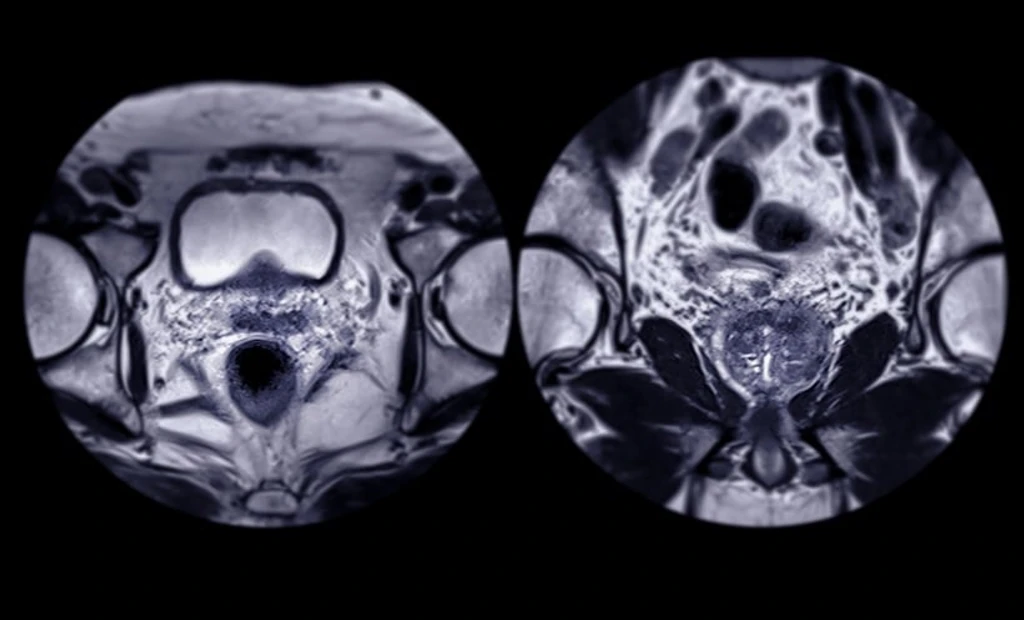
Artificial intelligence integrated with magnetic resonance imaging significantly improved biopsy decision-making in prostate cancer diagnosis, according to new research presented at the 41st Annual Congress of the European Association of Urology 2026.
Prostate cancer remains one of the most common cancers in men worldwide. Detecting clinically significant disease while avoiding unnecessary biopsies has long challenged clinicians. Biparametric MRI (bpMRI) is a key diagnostic tool, but interpretation varies by reader experience.
A retrospective study analyzed bpMRI scans from 2021 to 2024, involving five radiology readers-two experts and three basic-level readers. Each reviewed scans twice: once without AI and once with AI-generated reports from a decision-support platform.
Key metrics included biopsy selectivity and efficiency. At a PI-RADS threshold of ≥3, selectivity rose from 3.889±0.884 to 5.078±1.602, and efficiency increased from 1.688±0.404 to 1.992±0.053.
The greatest gains were seen among less experienced readers, whose performance approached that of experts when using AI support, suggesting AI could standardize diagnosis across skill levels.
Combining PI-RADS scores with prostate-specific antigen density yielded the best results. While expert readers saw modest gains, AI’s impact was transformative for basic readers, reducing variability in clinical decisions.
Though retrospective, the findings indicate AI-assisted bpMRI may help target biopsies more accurately and reduce unnecessary procedures. Prospective studies are needed to confirm long-term outcomes.
![samunella on Adobe Stock]