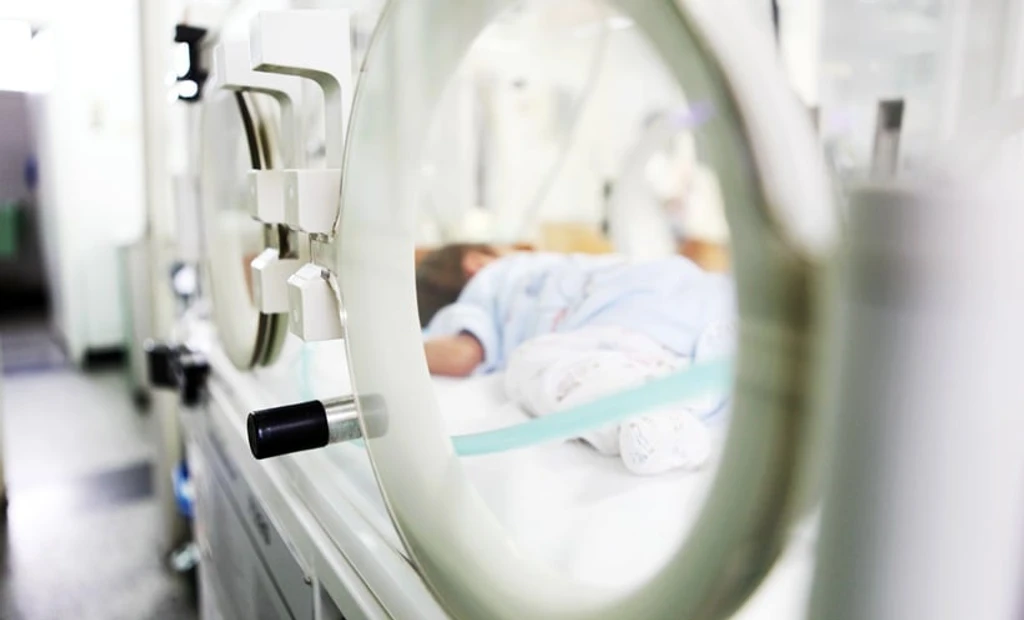
World Health Organization-recommended first-line antibiotics for neonatal sepsis are effective in just one in four infections in low- and middle-income countries (LMICs). New findings presented at ESCMID Global 2026 show a significant impact of antimicrobial resistance (AMR).
Neonatal sepsis, a life-threatening condition within the first month of life, is a leading cause of newborn mortality. WHO currently recommends ampicillin plus gentamicin, but this guidance is largely based on high-income settings.
The BARNARDS II study, conducted across Pakistan, Bangladesh, and Nigeria between February 2024 and October 2025, analyzed data from 14,259 neonates. Among 5,012 culture-confirmed sepsis cases, the WHO-recommended ampicillin and gentamicin combination would have been active against only 25% of identified pathogens.
Kathryn Thomson of the University of Oxford stated that high rates of antimicrobial resistance make identifying effective empirical antibiotic regimens extremely challenging. "The substantial AMR burden makes identifying consistently effective empirical antibiotic regimens extremely challenging," Thomson said.
Experts emphasize that a "one-size-fits-all" approach to antibiotic guidelines is ineffective globally. Improving neonatal outcomes requires locally informed treatment strategies, enhanced diagnostics, AMR surveillance, and sustainable access to effective antibiotics, supported by long-term policy and investment.