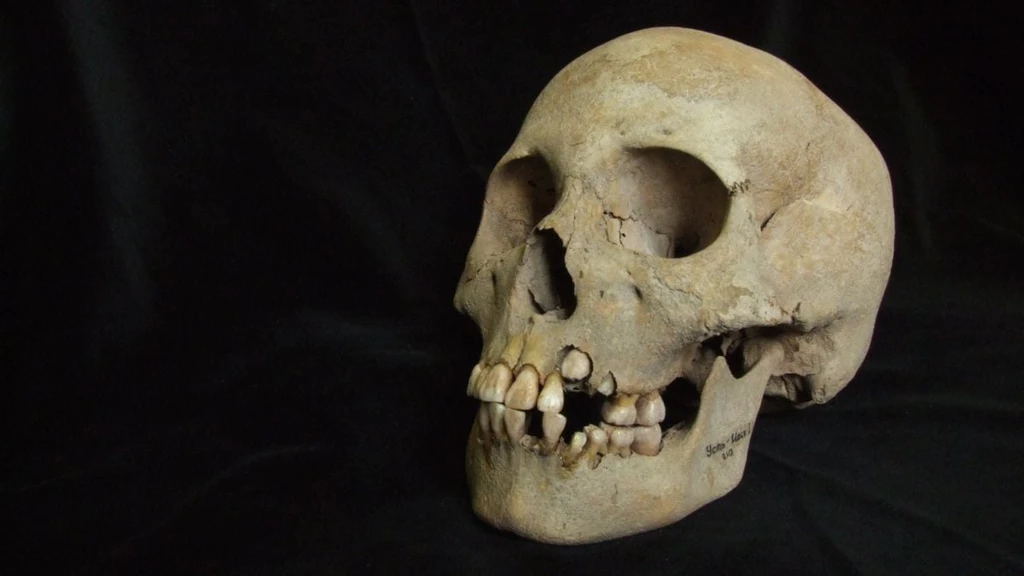
New genomic evidence confirms that Yersinia pestis was causing lethal outbreaks among hunter-gatherer communities near Lake Baikal in Siberia approximately 5,500 years ago. This discovery demonstrates the bacterium possessed high virulence centuries before evolving the flea-borne transmission mechanisms associated with later historical pandemics.
An international team led by the University of Oxford identified the pathogen in 18 individuals across four Late Neolithic cemeteries. Unlike previous isolated cases, these infections were clustered in time and space, indicating outbreak-level mortality rather than sporadic illness. Geneticist Eske Willerslev of the University of Copenhagen states these findings settle debates regarding early plague severity, proving ancient strains were already highly lethal.
Demographic analysis supports the epidemic hypothesis. Two cemeteries contained unusually high proportions of children under age 15, ranging from 65 to 75 percent. Family reconstruction further validated infectious spread, revealing multiple related individuals, including half-sisters and aunt-nephew pairs, carrying the pathogen. Archaeologist Andrzej Weber of the University of Alberta notes this data solves decades-old puzzles regarding anomalous burial patterns in the region.
Radiocarbon dating indicates Y. pestis struck the area in at least two distinct waves separated by centuries. Researchers suggest local wildlife, particularly marmots, likely served as a persistent reservoir between human outbreaks. This zoonotic cycle mirrors modern pathogen emergence dynamics, where animal hosts maintain disease vectors over millennia.
Genetic sequencing places these strains on an extremely early branch of the Y. pestis family tree, predating Bronze Age Eurasian lineages. Published in Nature, the study rewrites the timeline of plague evolution. It confirms that potent virulence factors existed long before the bacterium developed efficient vector-based transmission, fundamentally altering our understanding of prehistoric epidemiology.