Antimicrobial resistance (AMR) is on the rise, with bacteria mutating to withstand antibiotics. This leads to more deaths, longer hospital stays, and massive economic costs. In the EU alone, AMR infections cause over 35,000 deaths annually, with global mortality reaching 1.3 million people per year-equivalent to the populations of Prague, Dublin, or Helsinki.
The economic impact is staggering: Europe faces around €12 billion yearly in healthcare costs and lost productivity. A 2024 Lancet study warns that up to 39 million people could die from AMR by 2050, costing the world $412 billion annually in healthcare and $443 billion in lost workforce output. Some projections are even bleaker, suggesting $1 trillion in healthcare costs and a 3.8% hit to global GDP.
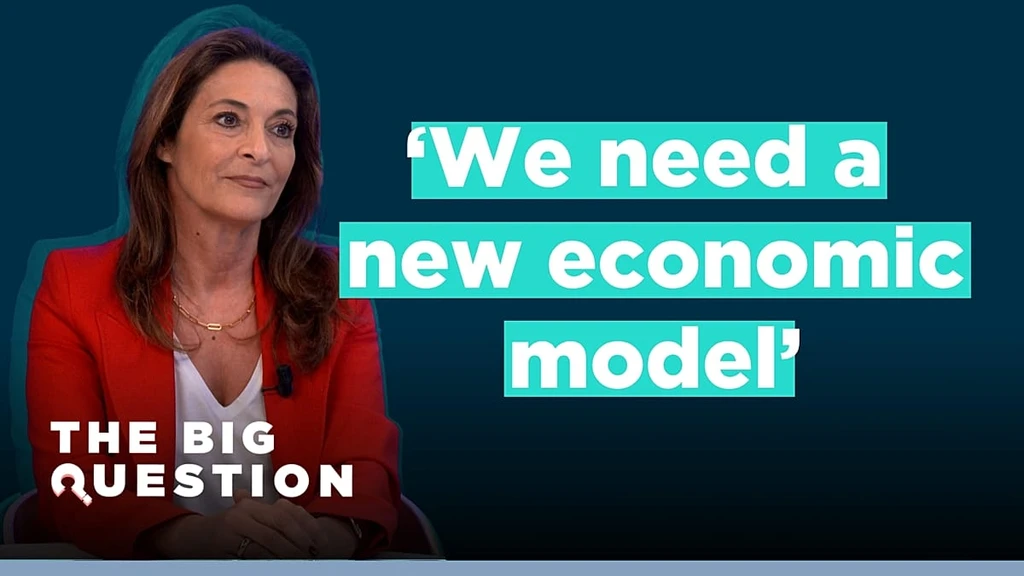
Addressing AMR is complicated by a broken pharmaceutical market. Developing a new antibiotic costs about €1 billion and takes 10-15 years, with a 95% failure rate. Unlike other drugs, antibiotics must be used sparingly to preserve effectiveness, limiting profitability. Estelle Fruchet, General Manager of Shionogi Europe, urges governments to adopt new financing models, such as the UK's "Netflix model," which pays drugmakers a fixed annual fee for access to key antibiotics regardless of usage.
Success requires global cooperation among doctors, policymakers, and the pharmaceutical industry. Reducing antibiotic use in humans, animals, and agriculture is critical, alongside incentives for innovation. Despite 2030 targets to cut usage by 20%, EU consumption actually rose in 2024, underscoring the urgency of action.