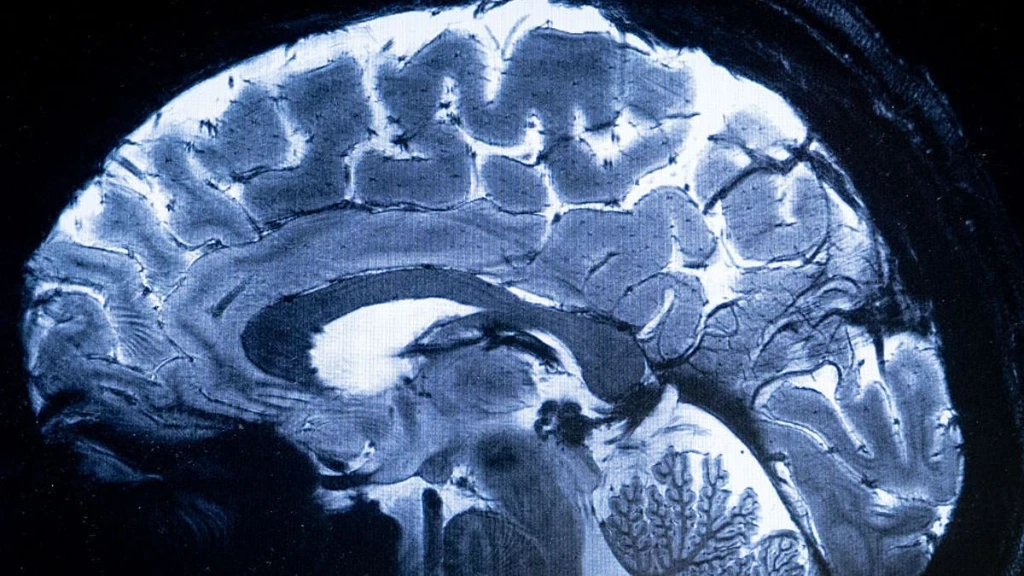
Every year, more than 2 million Americans are diagnosed with treatment-resistant depression. Now, a groundbreaking study on monkeys reveals that experimental brain implants might rewire the neural circuits linked to the condition.
These implants, part of a treatment called deep brain stimulation, are already used for Parkinson's disease and epilepsy. Now, clinical trials are testing them for severe major depressive disorder.

Neuroscientists at the Icahn School of Medicine at Mount Sinai have shown the therapy may restructure key brain regions involved in depression. For the first time, we see that deep brain stimulation does not just alter electrical activity; it can remodel white matter structure, essentially rewiring brain circuits.
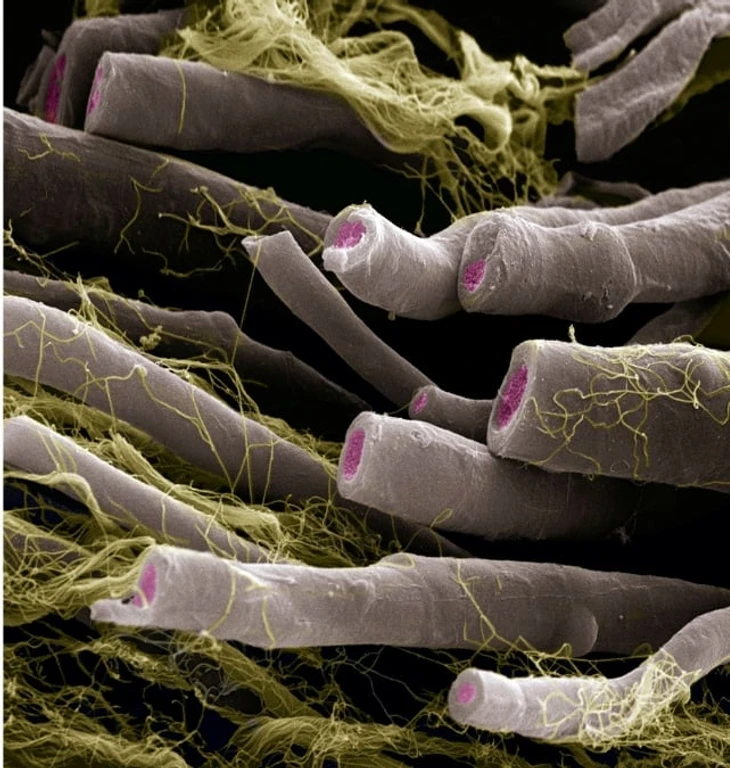
Patients with depression typically show a decay of white matter in their brains. The Mount Sinai team found that deep brain stimulation increases myelination of brain cells in mood-regulating regions and changes how neurons interact across networks, particularly the default mode network.
For up to a third of patients, standard treatments like antidepressants or therapy fail. Deep brain stimulation offers a more precise alternative to electroconvulsive therapy.
Researchers are now optimizing stimulation approaches, potentially leading to novel, non-surgical therapies that target these mechanisms. The study was published in Nature Neuroscience.