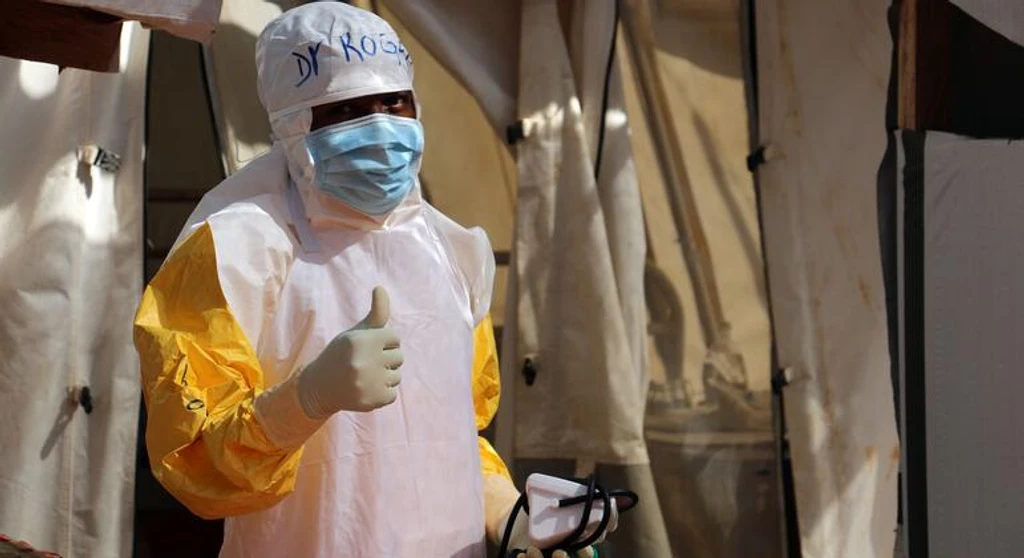
Treatment capacity for the rare Bundibugyo species of Ebola is expanding in eastern Democratic Republic of the Congo as the World Health Organization warns that community mistrust remains a critical barrier. The agency has upgraded isolation facilities and installed new water infrastructure to support patient care in the outbreak zone.
WHO Director-General Tedros Adhanom Ghebreyesus identified deep-seated skepticism as a major challenge during a high-level meeting with African leaders. He cautioned that broad travel restrictions are an unnecessary overreaction causing more harm than good. Insecurity and population displacement in Ituri province continue to complicate response efforts on the ground.
Health officials are currently fighting this outbreak without approved vaccines or therapeutics specific to the Bundibugyo virus. Clinical trials for promising medicines are expected to begin in the coming weeks. Tedros emphasized that ending the crisis requires cross-border cooperation and investment in broader health services beyond immediate viral containment.
The WHO simultaneously released its first comprehensive clinical management guidelines for all filovirus diseases, including Ebola and Marburg. These sixteen evidence-based recommendations focus on early supportive care to improve survival rates where specific treatments are unavailable. Key protocols include rapid rehydration, laboratory monitoring, and structured follow-up care for survivors.