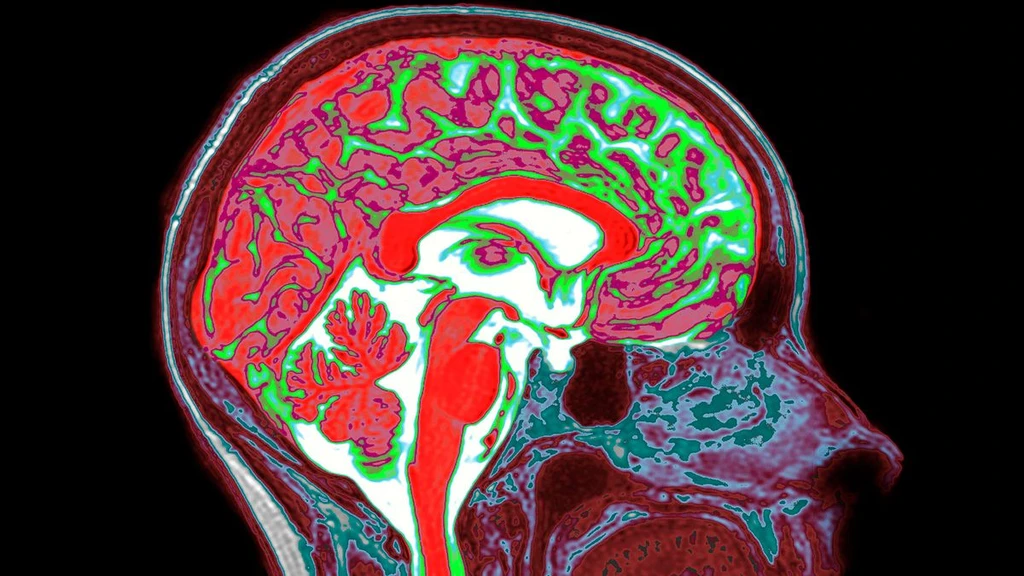
A new study suggests that high levels of estrogen in the brain's memory center, the hippocampus, may reduce resilience to traumatic events, potentially increasing the risk of memory problems and post-traumatic stress disorder (PTSD). Published in the journal Neuron, the research focused on mice but is considered highly translatable to humans.
Both male and female mammals produce significant amounts of estrogen in the hippocampus. The study found that male mice and female mice with high estrogen during their cycle (proestrus) showed persistent memory deficits after severe stress. In contrast, female mice with low estrogen (estrus) were resilient, behaving like unstressed controls.
The mechanism involves estrogen receptors controlling gene expression by altering chromatin structure-opening DNA in ways that affect synapse biology. This plasticity helps form memories under normal conditions but becomes problematic during acute trauma. The authors suggest their findings may explain why women are twice as likely as men to develop PTSD and could have implications for memory risks during perimenopause, a time of estrogen spikes.