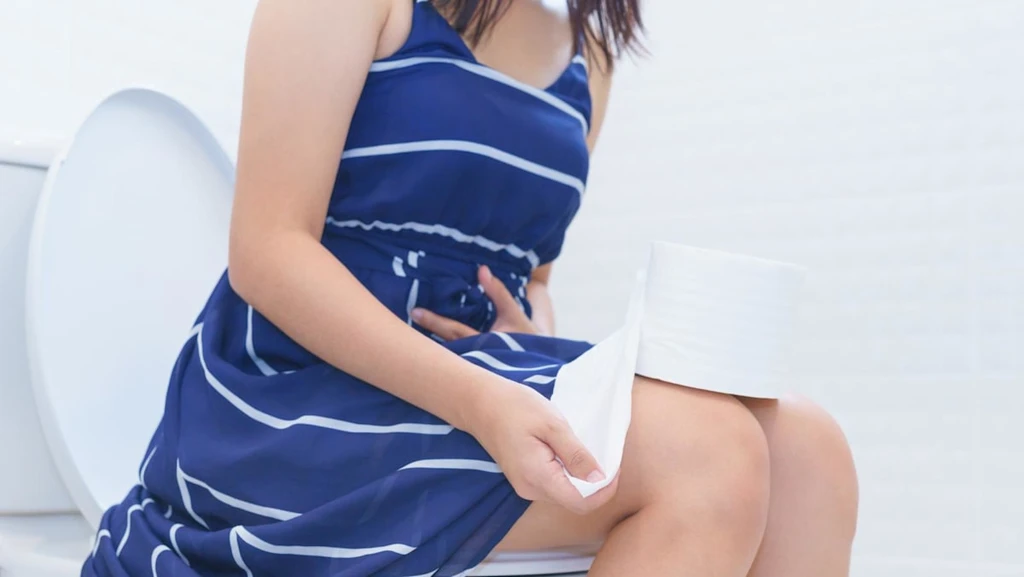
If your bowel habits change with your period, you are not imagining it. Hormonal fluctuations directly impact the digestive system.
According to medical experts, the menstrual cycle drives these changes. In the first half, rising estrogen influences digestion. After ovulation, increased progesterone slows digestion, often causing constipation.
Just before menstruation, both hormones drop sharply. This drop triggers faster intestinal muscle contractions. Additionally, a rise in prostaglandins stimulates uterine and gastrointestinal movement, leading to more frequent or looser stools.
This hormonal cycle can also exacerbate pre-existing conditions. Studies show up to 50% of women with Irritable Bowel Syndrome (IBS) report worse symptoms during their period. Women with inflammatory bowel disease (IBD) or endometriosis may also experience heightened gut issues.
Medical professionals advise seeking care if bowel changes last longer than two weeks, or if you experience rectal bleeding, unexplained weight loss, or severe pain.
For managing routine symptoms, experts recommend increasing fiber and water intake during the second half of your cycle to counteract progesterone-induced constipation.