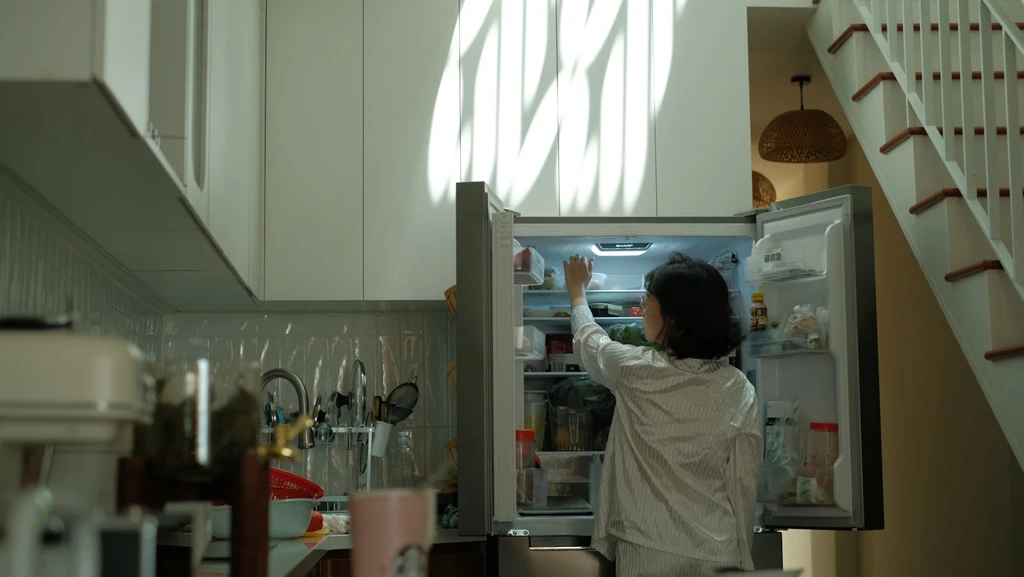
An empty fridge is often praised as minimalist restraint. But for many, it's the residue of a childhood where the fridge was a source of anxiety, not nourishment.
Research shows that food insecurity and surveillance around food in childhood can leave lasting marks on the brain and body. A 2025 review in Psychology Today, covering work by Lam et al. in JAMA Cardiology, found that children who experienced food insecurity carried cardiovascular and psychological effects into adulthood, even after circumstances improved.
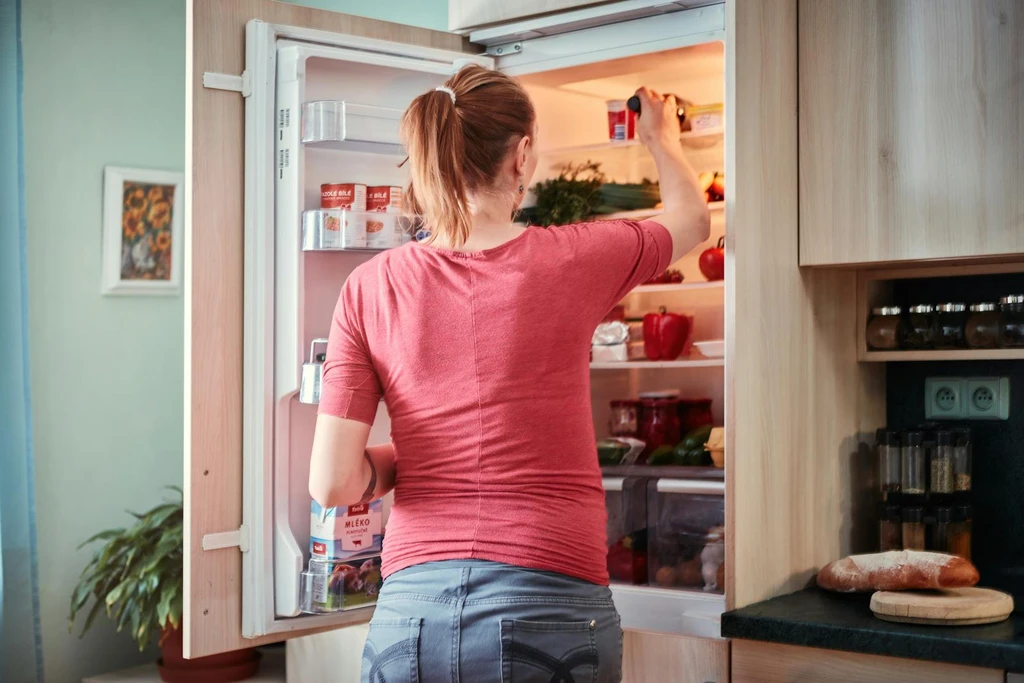
A 2024 paper by Smith, Kassa, and Wesselbaum in Global Food Security found that food insecurity erodes trust-not just in institutions, but in the people who were supposed to provide. This explains why some adults, even those who didn't grow up poor, keep their fridges bare: as a way to reduce evidence and control.
Building on the Adverse Childhood Experiences framework, patterns of emotional abuse and neglect around food become visible. Parents who counted granola bars or monitored eating created lasting anxiety. The child learns that appetites are watched and judged. As an adult, the safest fridge is one with nothing to inspect.
A 2026 study from University College Cork, published in Nature Communications, found that early exposure to calorie-dense, nutrient-poor diets caused persistent changes in the hypothalamus-the brain region governing appetite and energy balance. These changes outlasted the diet itself.
What happens around food in childhood is encoded in systems beyond conscious memory. The hypothalamus doesn't distinguish between poverty and surveillance; it registers chaos.
The pattern often extends beyond the fridge: compulsive deletion of texts, keeping cars immaculate, avoiding full drawers. It's not minimalism; it's reduced surface area for control.
Change doesn't come by force. It comes through small experiments: buying one extra item, letting it sit, noticing no one comments. The adult runs a test the child never could: what if the fridge contains evidence and no one weaponizes it?
The goal isn't a full fridge. It's choice. A preference held freely versus one held by a child who never grew out of it-they look the same from the outside but feel completely different from the inside.