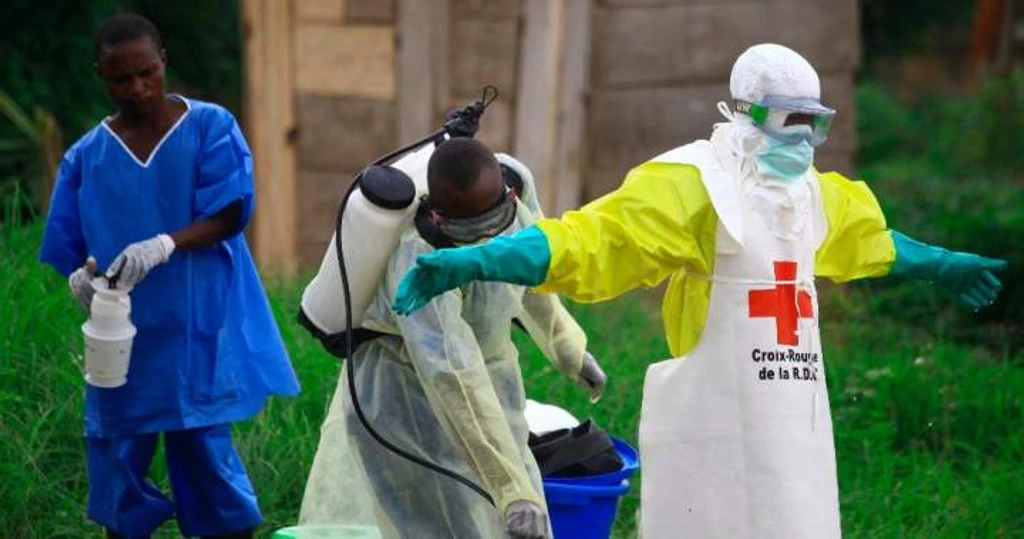
The World Health Organization has declared a public health emergency of international concern over an outbreak of the rare Bundibugyo virus in the Democratic Republic of Congo and Uganda. At least 131 suspected deaths and more than 500 suspected cases have been reported.
The virus, a strain of Ebola, has no approved medicines or vaccines. WHO Director-General Tedros Adhanom Ghebreyesus expressed deep concern about the scale and spread of the outbreak, noting the emergence of urban cases, health worker deaths, and significant population movement.
An American doctor, Peter Stafford, is among the confirmed cases and has been transferred to Germany for treatment. Health authorities said the outbreak went undetected for weeks as initial tests focused on the more common Zaire virus.
Dr. Tom Ksiazek, a virologist at the University of Texas Medical Branch, said the Bundibugyo virus was first detected in Uganda in 2007-2008, causing 37 deaths among 149 cases. A second outbreak in 2012 in Congo resulted in 29 deaths from 57 cases.
Health workers are now racing to trace contacts, isolate cases, and educate communities on prevention, including safe burial practices.
Vaccines and therapeutics remain unavailable for this strain, but WHO has delivered nearly 12 tonnes of emergency supplies to the DRC.