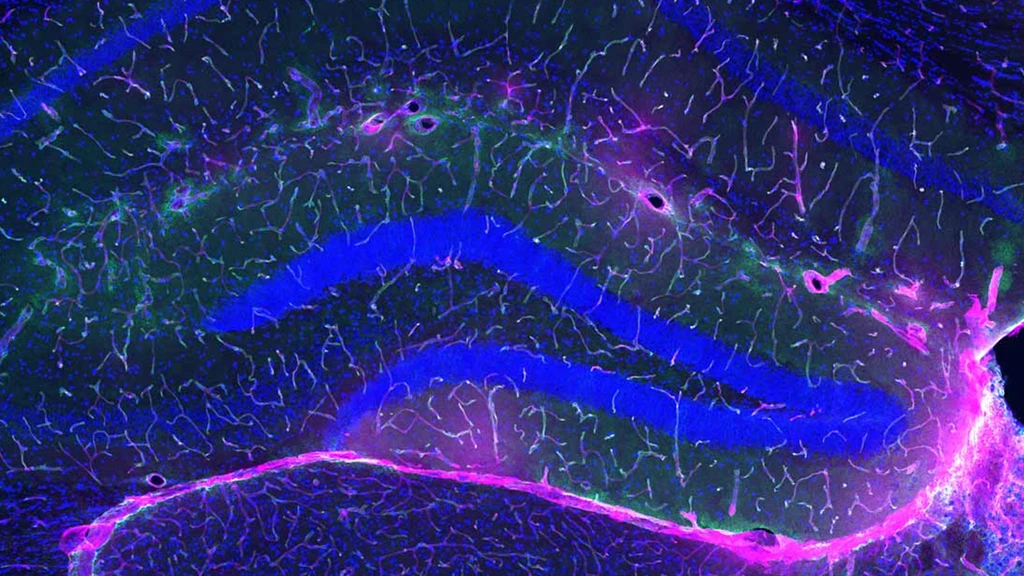
Physical activity is known to reduce the risk of Alzheimer's disease. A new study on mice has identified specific mechanisms and proteins involved in this brain protection.
Scientists previously found that exercise increases a protein called glycosylphosphatidylinositol-specific phospholipase D1 (GPLD1) in the blood, which is linked to good brain health. GPLD1 strengthens the blood-brain barrier, protecting against inflammation and cognitive decline.
A UCSF-led study connected GPLD1 to TNAP (tissue-nonspecific alkaline phosphatase), an enzyme that normally keeps the barrier permeable but can impair its function when it accumulates.
The research shows GPLD1 'prunes' TNAP from tissue, enhancing the brain's protection against inflammation. "This discovery shows just how relevant the body is for understanding how the brain declines with age," states neuroscientist Saul Villeda.
Older mice that exercised showed less TNAP in their brain's blood vessels.
Young mice engineered with more TNAP exhibited cognitive decline similar to older mice. Conversely, older mice with less TNAP showed reduced blood-brain barrier leaks, decreased inflammation, and improved cognitive abilities.
In a model of Alzheimer's disease, increased GPLD1 or reduced TNAP levels were associated with fewer amyloid beta protein clumps.
It is now clear that exercise produces GPLD1, which keeps TNAP in check, resulting in a stronger blood-brain barrier and a lower risk of cognitive decline and conditions like Alzheimer's.
"We were able to tap into this mechanism late in life for the mice, and it still worked," says neuroscientist Gregor Bieri. While the study was in mice, similar processes are likely in humans, warranting further research.
This work uncovers biology that Alzheimer's research has largely overlooked, potentially opening new therapeutic avenues beyond traditional strategies.