
New evidence suggests the male brain undergoes significant structural changes after the birth of a child. A study of 25 fathers reveals a rapid restructuring in the first weeks postpartum.
In the first 12 weeks, gray matter volume gradually shrinks. Between weeks 12 and 24, other parts of the brain swell. Researchers at RWTH Aachen University in Germany describe this as a "dynamic pattern of change" that helps refine essential caregiving skills.
The most substantial rewiring occurs in the first six weeks. Researchers measured widespread reductions across multiple brain regions, including the parietal, temporal, frontal, and occipital lobes.
This loss of gray matter is similar to trends seen in mothers during pregnancy. It is not detrimental but rather indicates the brain is pruning old pathways and building new ones to meet the demands of parenthood.
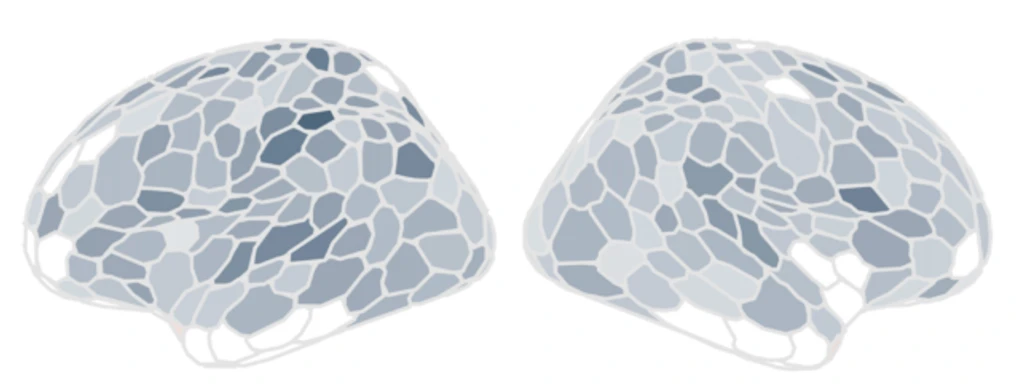
Some parts of the male brain later swell in volume. This includes the left anterior cingulate cortex, critical for task anticipation and attention, and the substantia nigra, which produces dopamine. The amygdala also showed enhanced connectivity, linked to parental vigilance and attachment.
These changes align with the concept of the "parental brain network," a neural circuit supporting human caregiving.