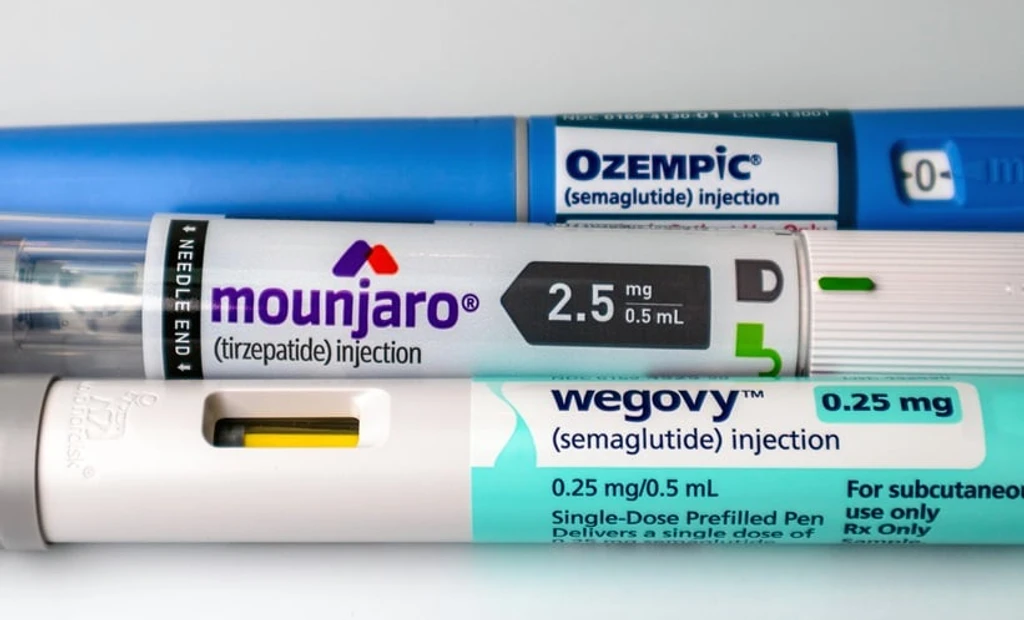
The U.S. Food and Drug Administration (FDA) has issued warning letters to 30 telehealth companies for making false or misleading claims about glucagon-like peptide-1 (GLP-1) products. These letters are part of an increased effort by the FDA to combat misleading advertisements for prescription drugs.
Primary violations cited include implying sameness with FDA-approved weight loss drugs and obscuring the source of compounded medications. This action follows a broader crackdown on direct-to-consumer pharmaceutical advertising.
FDA Commissioner Marty Makary stated, "We are paying close attention to misleading claims being made by telehealth and pharma companies across all media platforms - and taking swift action." He emphasized that while compounded drugs can be vital, they should not be used to bypass the FDA's approval process.
This development comes after the FDA signaled plans to restrict non-FDA-approved GLP-1 receptor agonists. Telehealth provider Hims & Hers recently withdrew its compounded semaglutide pill from the market. Novo Nordisk also initiated legal action against Hims & Hers for allegedly marketing unapproved versions of its FDA-approved semaglutide medications, citing risks to patient health. The FDA aims to protect consumers from drugs whose quality, safety, or efficacy cannot be verified.