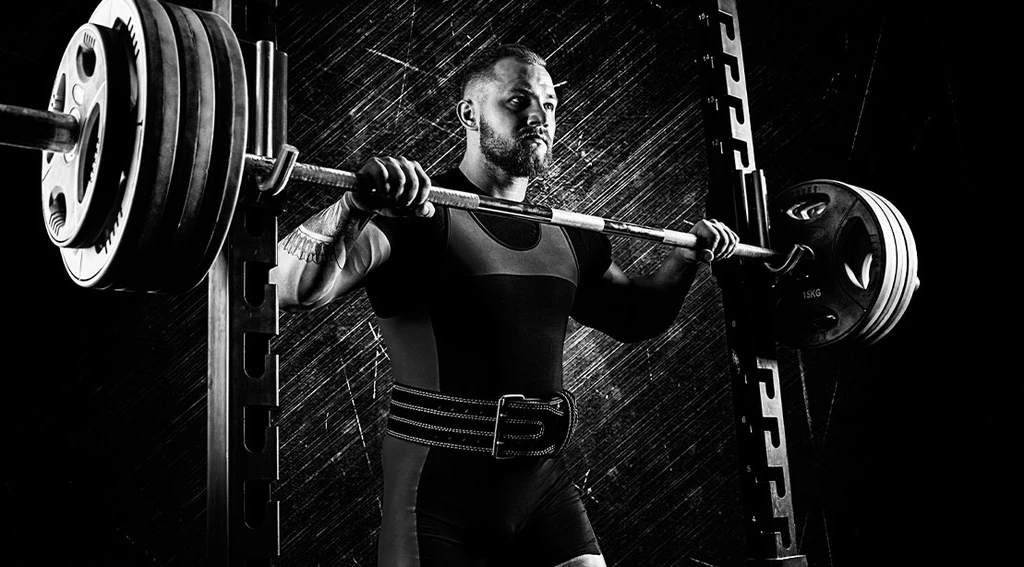
The front rack position is crucial for key lifts like the front squat, push press, and Olympic lifts. Achieving this position creates a unique internal pressure, termed "anaconda strength" by coach Dan John. However, proper mobility is essential; dropping elbows, wrist pain, or the bar rolling indicate a lack of positional control.
This guide focuses on restoring mobility in critical joints and building a controllable front rack under load. A quick test involves holding an empty bar in the front rack, checking for elbow height, bar placement on deltoids, finger grip, chest position, and wrist comfort. Descending into a shallow squat and pausing for three seconds will reveal issues like dropping elbows, bar rolling, upper back rounding, or increased wrist discomfort.
Owning the front rack requires coordinated mobility and strength in several areas: thoracic extension, wrist extension tolerance, adequate length in the triceps and lats, scapular upward rotation and control, and upper-back strength. The following five drills target these specific needs, ensuring the bar sits correctly, elbows remain high, and the rack becomes a position of control.
These exercises serve as effective warm-ups before barbell work.
Bench T-Spine Extension with Reach
This drill targets thoracic extension by supporting elbows on a bench while hips sit back, promoting upper-back mobility without lower-back compensation. Stiff thoracic spines often lead to poor elbow height and a compromised front rack.
How to Do It: Kneel before a bench, place elbows on it, and sit hips back. Let the chest drop between arms, keeping ribs down and avoiding lower back arch. Breathe slowly. Programming: 2 sets of 5-6 slow breaths before front rack exercises.
Front Rack Wrist Rocks
Performed on all fours with fingers facing inward, this exercise builds tolerance for aggressive wrist extension under load through gentle rocking. It addresses wrist pain by gradually exposing the joint to strain.
How to Do It: Start on hands and knees, fingers towards you, elbows straight. Slowly rock shoulders forward and backward within a pain-free range. Programming: 2 sets of 8-10 slow rocks.
Lat & Triceps Stretch with Band
A band-assisted stretch targeting lats and the long head of the triceps during shoulder flexion, while maintaining rib-down bracing. Tightness in these areas restricts elbow elevation and can cause the bar to roll forward.
How to Do It: Anchor a band overhead, grip it, and place the upper arm within the band below the elbow. Step forward to tension, keep ribs down, and lean forward to feel the stretch along lats and under the arms. Breathe normally. Programming: 20-30-second holds before front rack work.
Serratus Wall Slide with Lift-Off
This drill, performed with forearms against a wall, trains scapular upward rotation and rib control. It helps prevent elbows from drifting and the chest from collapsing, ensuring a stable rack position.
How to Do It: Stand facing a wall, forearms against it, elbows shoulder-width apart. Exhale, keeping ribs down. Inhale, slide arms upward, pressing gently into the wall. Briefly lift forearms off the wall at the top. Lower with control. Programming: 2 sets of 6-8 reps as part of your warmup.
Front-Foot Elevated Split Squat with Front Rack Hold
This split squat variation, performed with the front foot elevated and the bar in a front rack position, increases mobility demands on the upper back, wrists, triceps, and lats. It bridges mobility and strength by requiring maintenance of elbow height under load.
How to Do It: Set the bar in the front rack, place the front foot on an elevation. Descend into a split squat, keeping elbows high and chest up. Pause at the bottom, then drive up without losing rack position. Programming: 3 sets of 5-6 reps per side with light weight, prioritizing elbow height.
Elite lifters treat the front rack position as a skill, not just a stretching exercise. They build tolerance and strength under load, making it a mastered position rather than something to be endured.