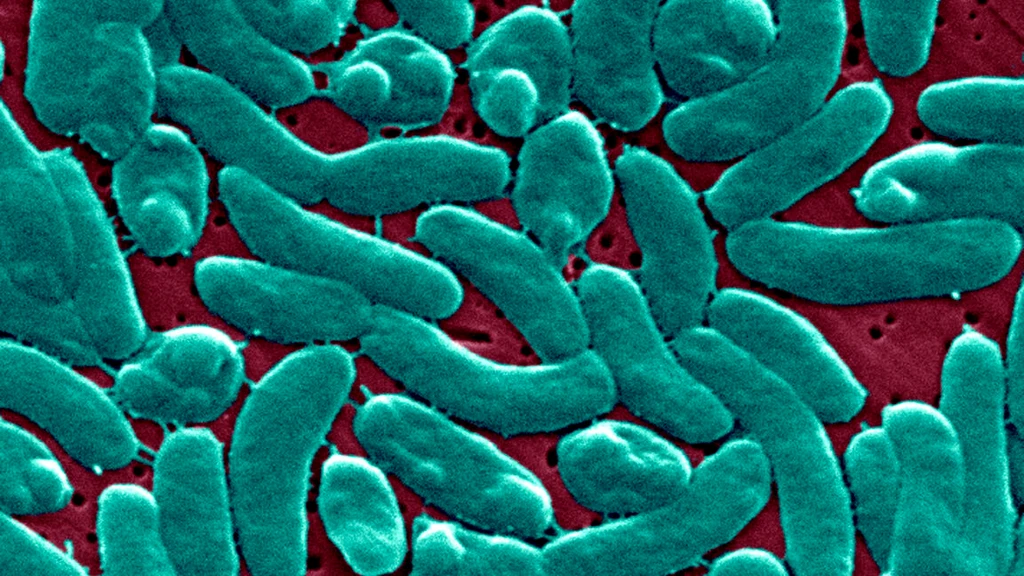
A potent flesh-eating bacterium, Vibrio vulnificus, is rapidly spreading and poses an urgent public health threat, exacerbated by climate change. This pathogen, known for its arsenal of toxins, can degrade tissue, suppress immune defenses, and lead to life-threatening infections.
The overall mortality rate for V. vulnificus infections stands at approximately 35 percent, escalating to 50-60 percent for individuals with underlying health conditions or sepsis. Delays in treatment can result in a 100 percent mortality rate.
In a recent case, a man's right leg required amputation above the knee due to advanced infection. His forearm necessitated extensive skin grafting. After an antibiotic regimen and six months of recovery, he healed well.
Medical experts attribute the increasing prevalence and geographic range of V. vulnificus to climate change, citing rising water temperatures, storm surges, and changes in salinity. US cases have reportedly increased eightfold between 1998 and 2018, expanding into new areas like Massachusetts, New Hampshire, and Maine.
The Centers for Disease Control and Prevention (CDC) recommends thorough cooking of all seafood and diligent handwashing after handling raw seafood. Individuals with open wounds should avoid brackish water or ensure wounds are securely covered. Prompt cleaning with soap and water is advised if a wound is exposed to brackish water.