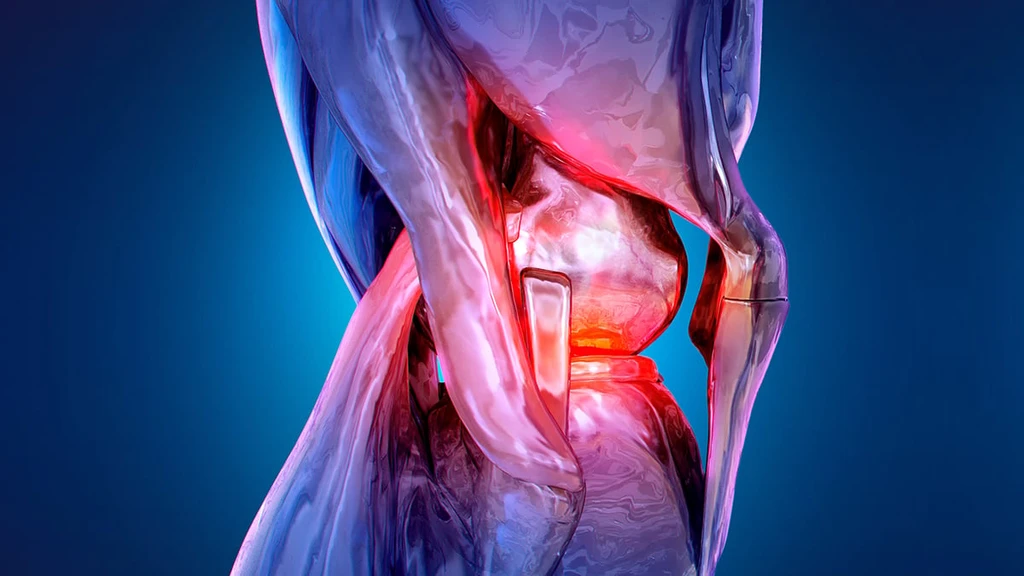
Osteoarthritis of the knee is a painful condition affecting hundreds of millions globally, often requiring surgery when other treatments fail.
Researchers at Charité - Universitätsmedizin Berlin have now demonstrated a powerful, minimally invasive alternative. The procedure, called genicular artery embolization (GAE), uses microscopic gel beads injected into the knee to block abnormal blood vessels and pain-sensing nerves.
The treatment targets specific arteries associated with osteoarthritis pain. (Fleckenstein et al., Radiology, 2026)
Unlike older agents, these "resorbable microspheres" dissolve within hours, reducing inflammation and pain without interfering with the knee's general blood flow. Lead researcher Florian Nima Fleckenstein says the procedure may alter the disease's course.
A 12-month observational study followed 194 patients with severe, treatment-resistant knee pain. Average pain intensity dropped from 7 out of 10 to 3 out of 10. Scores for daily activity, sports, recreation, and overall quality of life all improved significantly. No notable side effects were reported.
Measurements of patient quality of life improved over the trial period. (Fleckenstein et al., Radiology, 2026)
"For the right patient, it can mean lasting relief from a single, minimally invasive procedure - a meaningful new option between injections and joint replacement," said Fleckenstein.
The research, published in Radiology, represents real-world data from a common patient population. While larger, randomized trials are needed, the results offer a significant new tool for managing this debilitating disease.