
A new AI model from researchers at the Mayo Clinic and the University of Texas MD Anderson Cancer Center can spot pancreatic cancer years before patients are typically diagnosed.
The system, called REDMOD, was tested on CT scans from patients later diagnosed with the disease. In nearly 3 out of 4 cases, REDMOD detected the most common form of pancreatic cancer about 16 months before diagnosis-nearly double the detection rate of specialists reviewing the scans without AI.
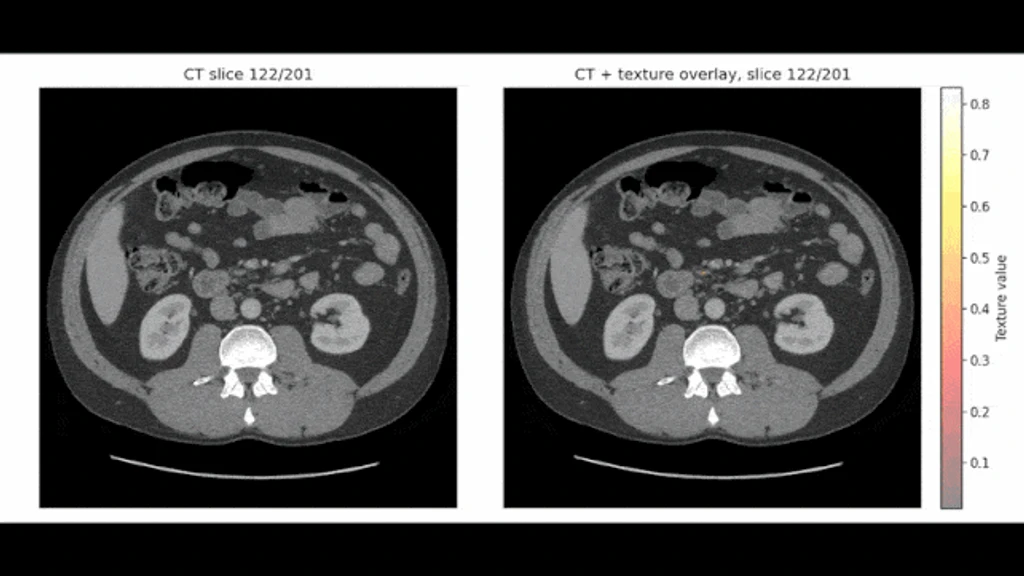
In some cases, REDMOD identified suspicious tissue patterns more than two years ahead of time, and researchers believe it could spot cancer up to three years early.
Pancreatic cancer is on track to become the second-leading cause of cancer-related death in the U.S. by 2030, partly because 85% of cases aren't caught until the disease has already spread.
Rather than looking for obvious tumors, REDMOD scans for subtle disruptions in tissue texture and structure-radiomic patterns too minor for the human eye to see.
The AI correctly flagged 46 out of 63 pre-diagnosis scans as suspicious, a 73% success rate. All those scans had previously been cleared by human radiologists. However, the model also falsely flagged 81 out of 430 healthy controls, which could lead to unnecessary follow-up tests.
The study was published in the journal Gut.