Gastroenterologist Dr. Kyle Staller of Massachusetts General Hospital in Boston says many patients with irritable bowel syndrome report more than stomach trouble-they also describe mental heaviness, fatigue, and brain fog.
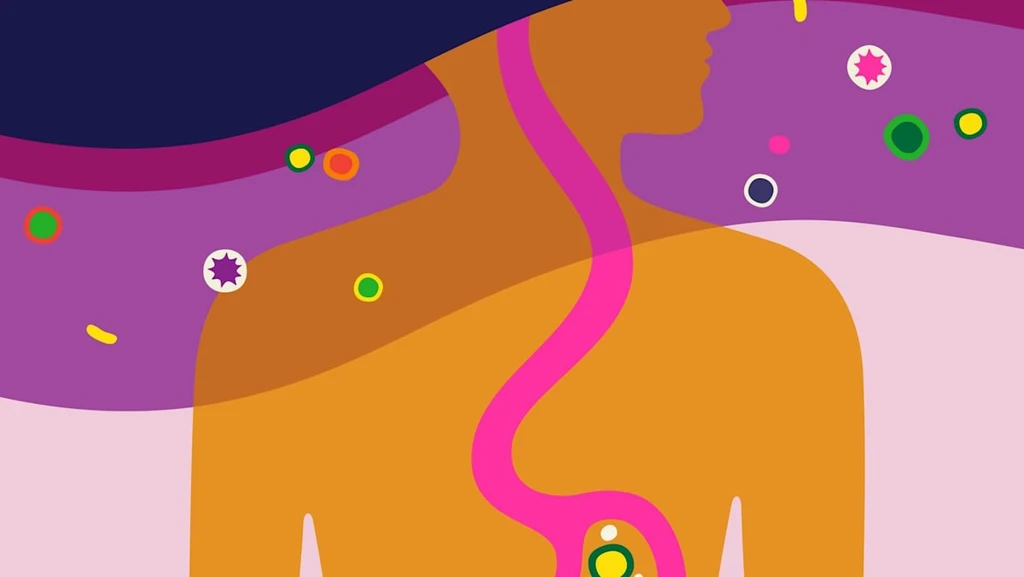
This connects to the gut-brain axis, a two-way communication network using the vagus nerve, stress hormones, and immune cells. Gut bacteria produce neurotransmitters like serotonin and dopamine, influencing mood and mental clarity.
Brain fog often results from "bad connections" in this axis, says Professor Gerard Clarke of University College Cork. Causes include poor diet, menopause, anxiety, infection, and nervous system dysfunction. A 2024 study found over half of participants experienced brain fog alongside IBS or gastroparesis.
The microbiome-trillions of bacteria, viruses, and fungi-plays a key role. Imbalances, such as small intestinal bacterial overgrowth (SIBO), can produce D-lactic acid, leading to fogginess, says Dr. Satish Rao of Augusta University. While probiotics help in some cases, overuse may worsen SIBO symptoms.
To improve gut health and potentially reduce brain fog, experts recommend a fiber-rich diet (vegetables, beans, nuts, whole grains), fermented foods, adequate sleep, moderate exercise, and limiting caffeine, alcohol, and ultraprocessed foods. Dr. Staller concludes: "Healthy, plant-based diets will likely continue to show benefit."