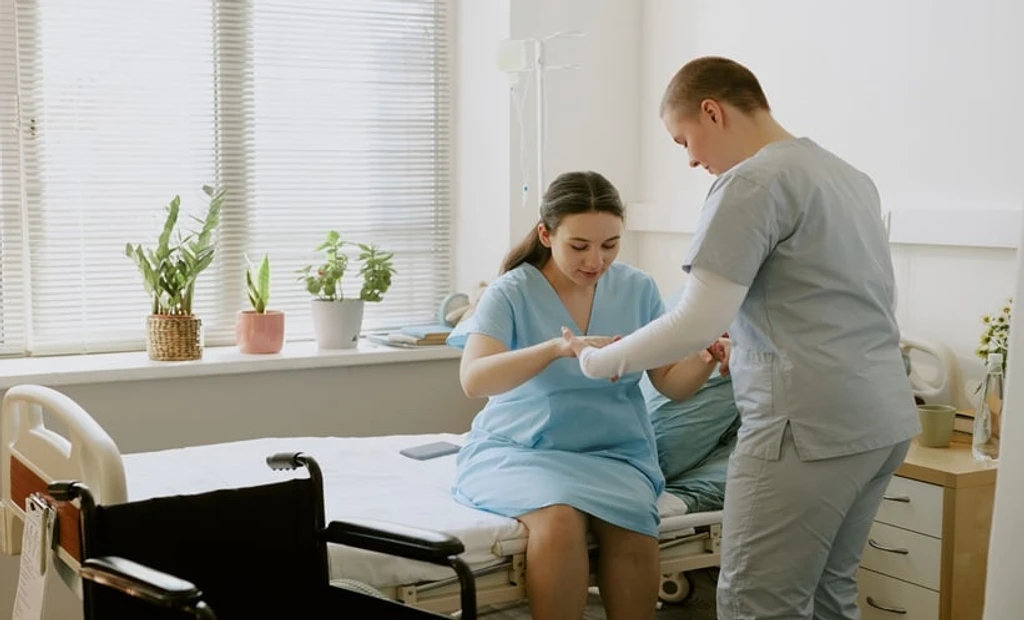
A qualitative study from Rio de Janeiro finds that gestational syphilis cases are often caught too late due to failures in prenatal care. Most diagnoses happened during pregnancy, but some were only identified during childbirth or postpartum-raising alarm over missed chances to prevent congenital syphilis.
Researchers interviewed 20 women diagnosed with gestational syphilis from two Family Clinics in the Santa Cruz neighborhood between August 2023 and March 2024. Most participants were Black or mixed race, with low education, unemployment, and low income, highlighting a concentration of social vulnerability.
Many women received their diagnosis with fear and confusion. Several did not know what syphilis was before being told. The study stresses that testing alone cannot succeed without clear, repeated counseling.
Prenatal care was described as minimal or fragmented. Some women experienced care as "normal" despite syphilis treatment-visits focused on medication and blood tests without discussion of transmission, fetal risk, or follow-up. One child ended up in intensive care before the infection was found at the hospital.
Partner treatment remains a critical issue. While 12 women’s partners received treatment, eight refused. The study calls for prenatal care that engages partners and addresses gendered barriers.
Link to full text: CC BY-NC 4.0