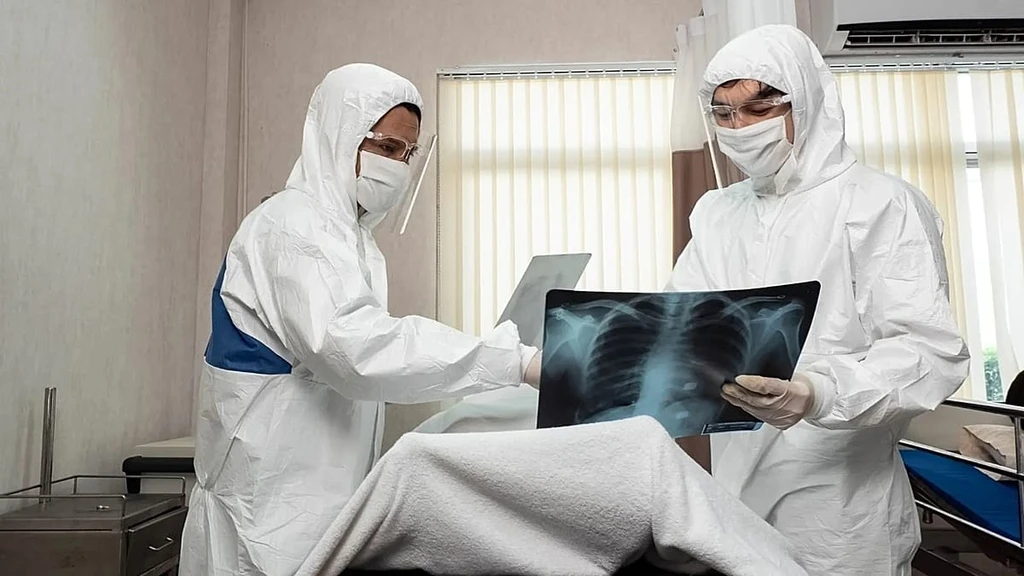
A significant new study from the European Agency for Safety and Health at Work (EU-OSHA) reveals that nearly a third of Europe's health and social care workers are exposed to cancer-causing agents on the job.
The study, which surveyed 24,402 workers across Finland, France, Germany, Hungary, Ireland, and Spain, found that 29.5% of health and social care professionals reported exposure to at least one carcinogen in the last working week. 7.8% were exposed to two or more.
Cancer remains the leading cause of work-related deaths in the EU, accounting for 100,000 fatalities annually. The report identifies the most common threats for these workers as ionising radiation, diesel engine exhaust, solar ultraviolet radiation, formaldehyde, and benzene.
“Despite their relevance, risks associated with exposure to carcinogens in the health and social care sector have historically been less visible than in other economic sectors,” said Michelle Turner, senior author of the study at the Barcelona Institute for Global Health.
The sector employs over 21.6 million people, or 11% of the total European workforce. Researchers highlight that risks stem from routine activities: X-ray machines and radioisotopes for ionising radiation, cleaning and sterilization chemicals like formaldehyde, and diesel exhaust from vehicle operation.