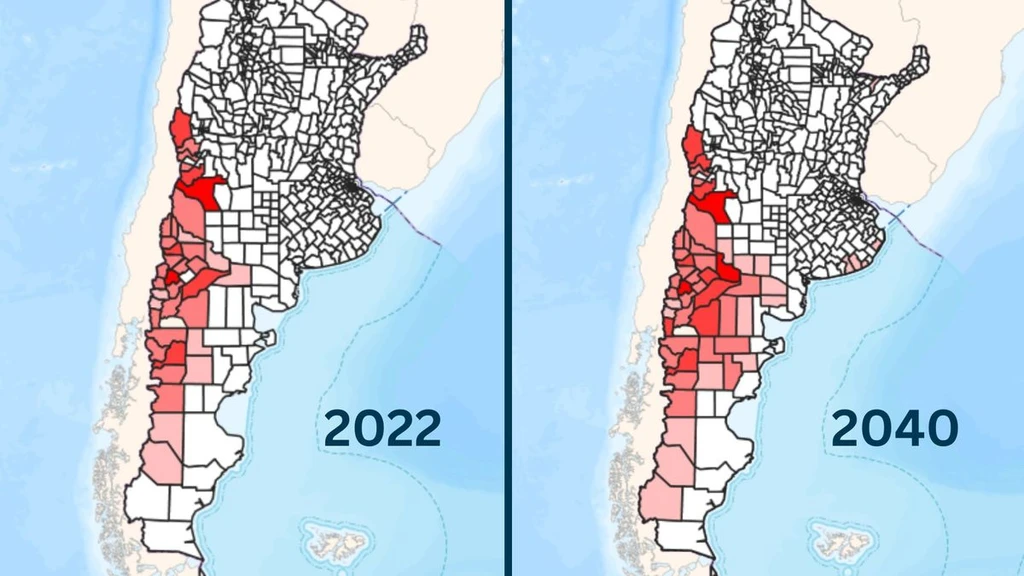
Climate change is driving virus-carrying rodents into new territories, raising the risk of hantavirus outbreaks in human populations that have not been exposed before. Scientists warn that the long-tailed pygmy rice rat, the natural reservoir for the deadly Andes virus, is expanding its habitat eastward toward Argentina's densely populated Atlantic coast.
Hantavirus Pulmonary Syndrome (HCPS), caused by the Andes virus, has a case fatality rate of up to 50%. The virus spreads to humans through contact with rodent urine, feces, or saliva.
El Niño-La Niña fluctuations are expected to amplify the pattern. Increased rainfall in El Niño years boosts vegetation, providing abundant food and shelter for rodents, leading to population explosions that can further spread the virus.
Beyond hantavirus, researchers warn that similar climate-driven shifts are increasing the risk of other rodent-borne diseases, including arenaviruses that cause severe hemorrhagic fevers. Machine learning models predict rising spillover risk across South America over the next 20 to 40 years.
Public health officials are urged to strengthen surveillance and early warning systems, though funding cuts in Argentina are undercutting these efforts.