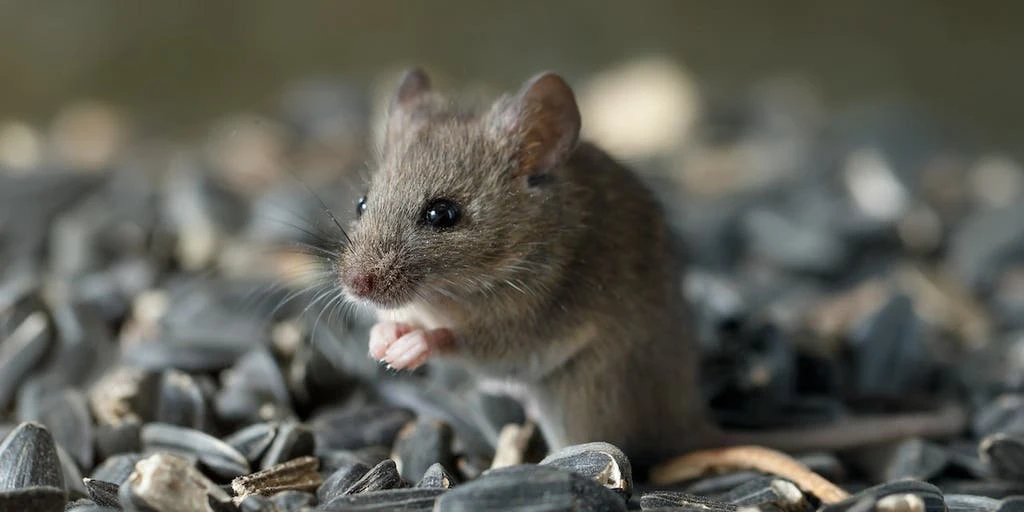
Researchers from Washington State University found unexpectedly high levels of Sin Nombre virus in rodents in the Pacific Northwest, suggesting a greater exposure risk for people in surrounding agricultural communities.
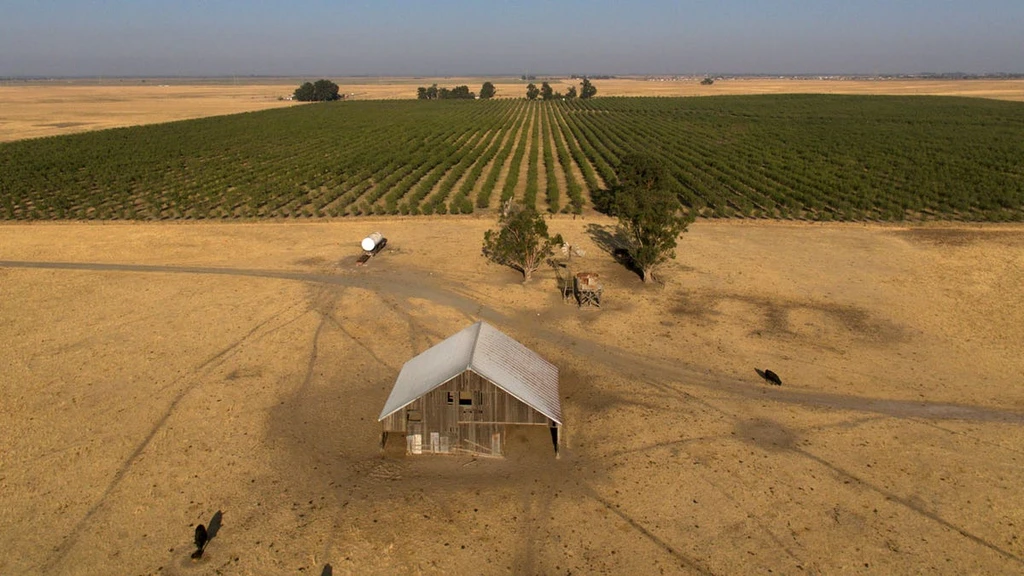
The study focused on the Palouse region, which includes parts of eastern Washington and north-central Idaho.
In summer 2023, researchers collected samples from 189 deer mice, voles and chipmunks at eight farms and two forest sites. Nearly 30% showed prior exposure, and about 10% had active infections.
Sin Nombre virus is the hantavirus strain most strongly linked to hantavirus pulmonary syndrome in the U.S. It is spread through inhalation of aerosolized rodent urine, droppings or saliva.

This is distinct from the Andes virus, the strain linked to the recent outbreak on the MV Hondius cruise ship, which can spread person-to-person.
Since national tracking began in 1993, only 864 cases have been reported, mostly in Colorado, New Mexico and Arizona.
The findings were published in the CDC journal Emerging Infectious Diseases.
Lead researcher Stephanie Seifert said they were surprised by how common the virus was locally and how little data existed for the Northwest.
The study suggests the need for expanded hantavirus monitoring in the Pacific Northwest, especially in agricultural areas.