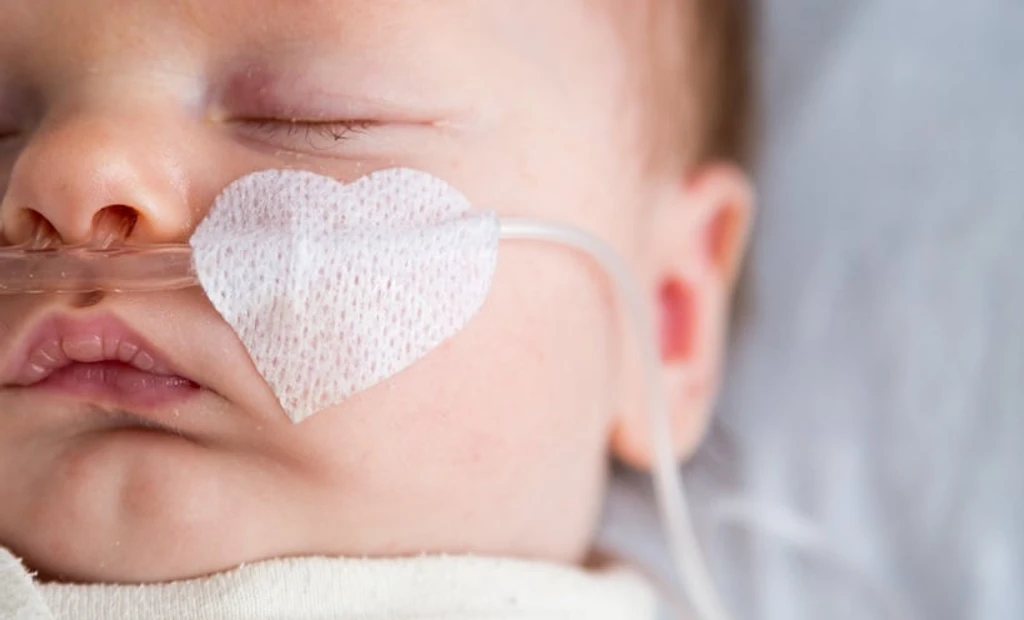
High-frequency oscillatory ventilation (HFOV) may reduce the risk of bronchopulmonary dysplasia in preterm infants with neonatal acute respiratory distress syndrome, according to a randomized clinical trial.
Neonatal acute respiratory distress syndrome affects premature infants with underdeveloped lungs. While mechanical ventilation is often required, prolonged use can lead to chronic lung damage.
The trial involved 386 preterm infants born at or before 34 weeks’ gestation. After initial stabilization with conventional ventilation, infants were randomly assigned to continue with conventional support or switch to elective HFOV.
HFOV delivers tiny, rapid breaths to maintain lung volume while reducing trauma to delicate tissue. Using the 2019 clinical definition-more stringent in assessing severity-HFOV reduced bronchopulmonary dysplasia rates by 32%. The reduction was 8% under the older 2001 criteria.
No significant differences were found in mortality or other major complications, including brain hemorrhage, retinopathy, or intestinal disease. Sensitivity analyses confirmed the results' robustness.
Researchers suggest early HFOV use could prevent severe lung disease in vulnerable newborns. Findings come from a single-center study; further research is needed for broader application in neonatal intensive care.