Your gut is home to trillions of microscopic organisms-bacteria, fungi, and viruses-that make up your microbiome, influencing digestion, immunity, inflammation, and even mood.
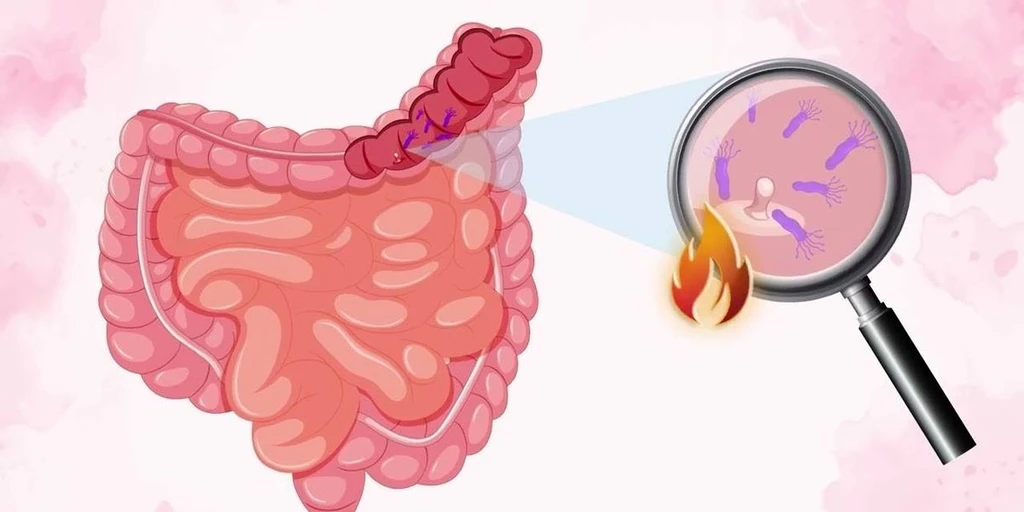
Poor diet, stress, lack of sleep, smoking, alcohol, and overuse of antibiotics can disrupt this balance, leading to dysbiosis, where harmful bacteria outnumber healthy ones. Dysbiosis is linked to an increased risk of colorectal cancer. Certain bacteria, like some E. coli strains, can attach to the colon lining, trigger inflammation, release DNA-damaging toxins, and encourage polyps to become tumors.
To support gut health: eat a plant-rich, high-fiber diet with probiotic foods like yogurt and kimchi; exercise regularly; limit unnecessary antibiotics; manage stress through meditation or yoga; get 7 to 9 hours of sleep; quit smoking; and limit alcohol.
Screenings remain critical. Average-risk individuals should start colonoscopies or stool tests at age 45. Black Americans face higher diagnosis and mortality rates, making timely screening especially important.