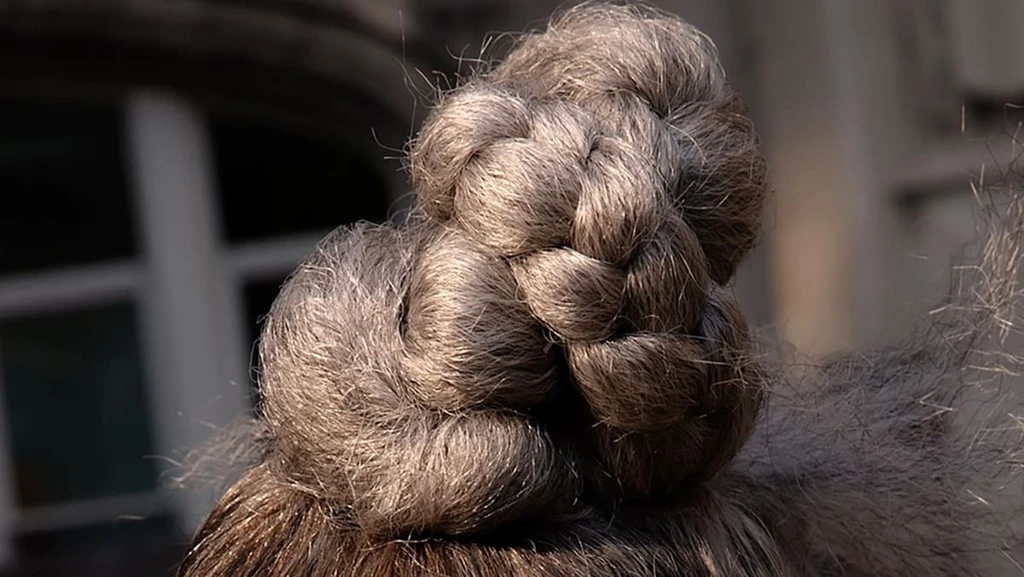
Greying hair remains an enigma, despite being universal. Each strand's color depends on melanin, produced by cells in hair follicles. Over time, these cells slow or stop working altogether, turning hair grey.
Experts like Desmond Tobin and Emi Nishimura explain that greying starts when pigment-producing melanocytes fail, becoming permanent when stem cell reservoirs deplete. Recent studies suggest stress reduction may partially reverse this process, as observed in individuals undergoing specific cancer treatments. However, repigmentation remains rare and poorly understood.
While genetics heavily influence greying timelines-typically mid-30s for white people, late 30s for Asians, and mid-40s for Black individuals-lifestyle changes such as quitting smoking, reducing stress, and eating antioxidant-rich foods may help preserve pigment. Sudden or premature greying could signal underlying health issues, so consulting a doctor is advised.
For now, no definitive solution exists, but small lifestyle adjustments offer hope.