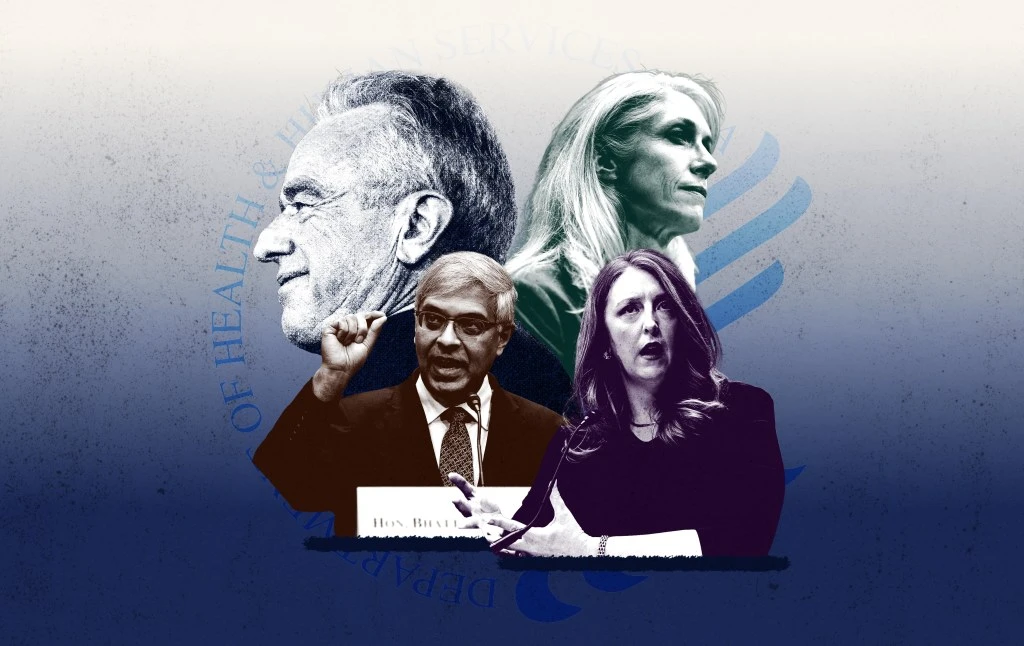
The Centers for Disease Control and Prevention (CDC) has been operating without a permanent director for over 210 days, exceeding the legal limit for acting leadership. This void comes amid rising measles cases and an E. coli outbreak.
Former HHS officials warn that the lack of leadership undermines public health response capabilities. Acting director Dr. Jay Bhattacharya, who oversees the agency alongside his NIH role, has urged widespread measles vaccination-yet lacks legal authority to make key decisions without a confirmed CDC director.
Health and Human Services Secretary Robert F. Kennedy Jr. fired previous CDC director Susan Monarez after she refused to comply with his anti-vaccine stance. Since then, the department has experienced significant staff losses and operational disruption.
Meanwhile, President Donald Trump’s nominee for surgeon general, Dr. Casey Means, remains stalled in the Senate due to concerns over her qualifications and controversial views on wellness and spirituality. She has faced criticism for lacking an active medical license and being unqualified for the position.
The absence of leadership threatens America’s ability to manage disease outbreaks and maintain public trust in federal health institutions. Former surgeon general Dr. Jerome Adams emphasized the danger: "We are much less able to respond to outbreaks without a CDC director."
With midterm elections approaching, pressure is mounting on the White House to stabilize HHS and appoint qualified leadership. The administration has identified finalists, but no formal nomination has been made yet.
Despite the turmoil, the CDC continues to suspend some services-like rabies and monkeypox testing-due to staffing shortages.