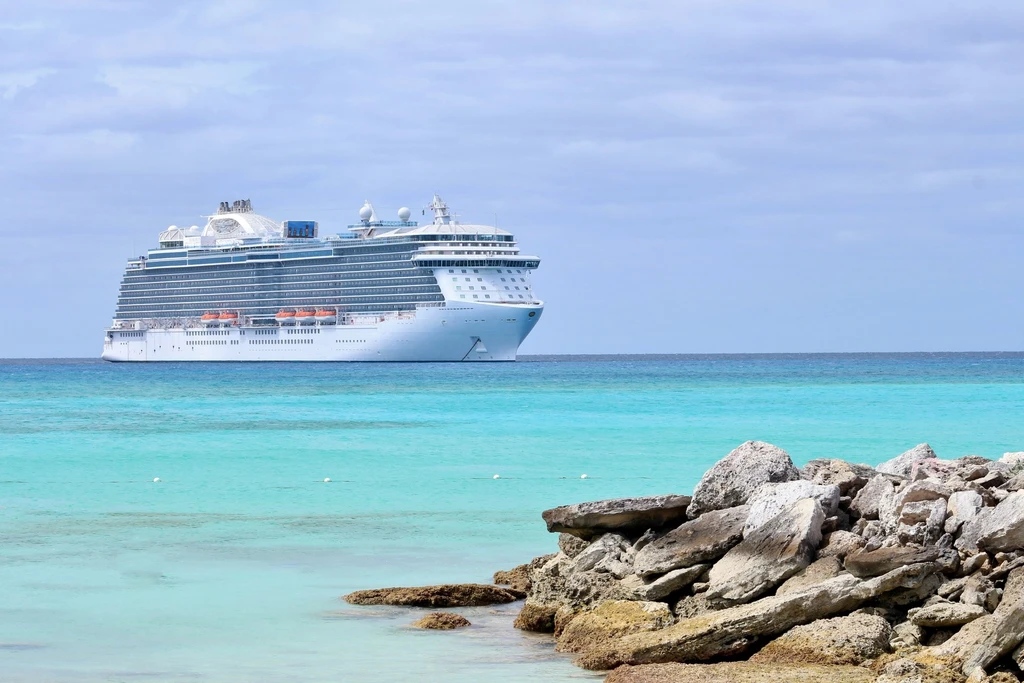
A voyage of the MV Hondius turned tragic this week after an outbreak of a rare, severe illness. Health officials have identified eight cases of hantavirus as of May 8. Three passengers have died, with one death definitively linked to the Andes strain; the others remain under investigation.
Experts stress this is not the start of a new epidemic, but the rapid progression of the illness highlights the unpredictable medical risks in international travel. The Andes virus, typically found in parts of South America, is the only hantavirus strain known to spread directly from person to person. However, the primary carrier is the pygmy rice rat. Humans contract it by inhaling airborne particles from infected rodent droppings, urine, or saliva.
In this case, the initial exposure likely occurred during a birdwatching trip through Argentina, Chile, and Uruguay before boarding. Human-to-human transmission is rare and involves close, intimate contact or prolonged exposure in healthcare settings. The incubation period ranges from one to eight weeks.
An unexpected medical crisis abroad presents massive logistical and financial challenges. Most standard U.S. health insurance plans-including Medicare-offer zero coverage outside the country. Medical evacuation alone can cost tens of thousands of dollars. Specialized travel insurance with high evacuation limits is critical for protecting both physical and financial health.