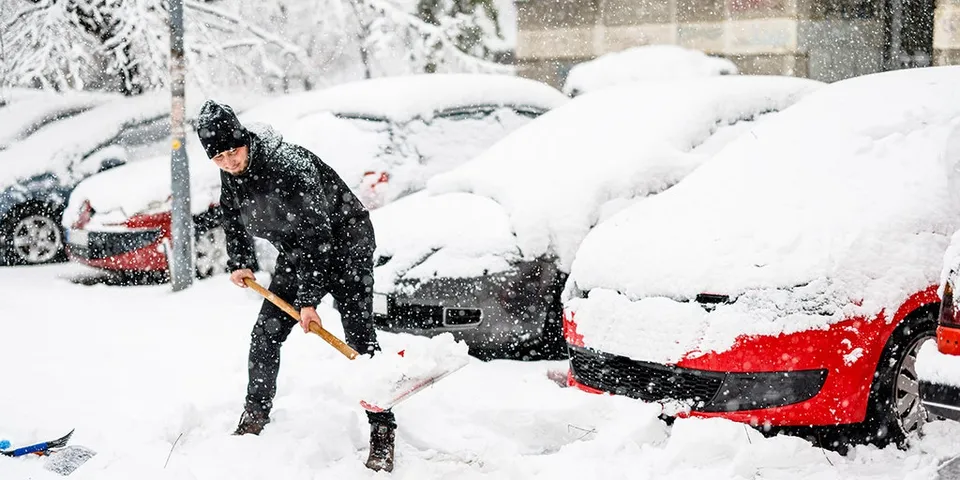
Historic snowfall across the Northeast presents more than just travel challenges; it poses a serious health risk, especially for those not regularly exercising or with pre-existing conditions. Experts warn that shoveling heavy, wet snow combined with strong winds significantly strains the heart.
Cardiologists emphasize that this strenuous activity in frigid temperatures can increase the likelihood of a heart-related event. Individuals who are sedentary are particularly vulnerable to sudden strain after a storm. Those with risk factors such as obesity, smoking history, diabetes, high blood pressure, or prior heart issues should avoid shoveling snow altogether. Pushing snow is recommended over lifting and throwing to minimize exertion.
Beyond cardiac strain, experts also caution about the dangers of hypothermia from wet clothing, treacherous icy conditions, fallen power lines, and downed trees, all of which increase the risk of injury. Staying indoors unless absolutely necessary is advised, with a reminder to look out for one another in severe weather conditions.
If shoveling is unavoidable, experts recommend doing so gradually, covering the face and extremities, and dressing in layers. Pushing snow rather than lifting can also reduce the physical toll.