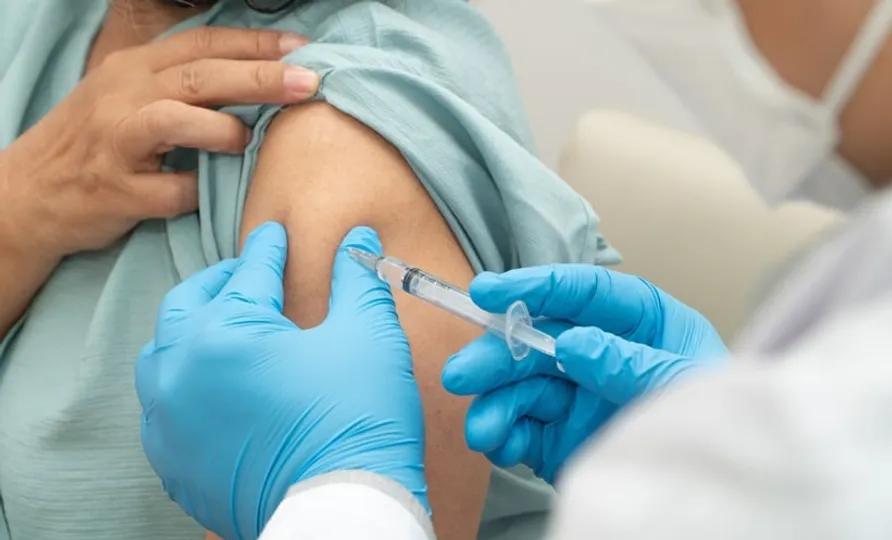
A 2026 Norwegian study indicates that women vaccinated against the human papillomavirus (HPV) by age 30 may require only two to three cervical cancer screenings in their lifetime.
Nearly all cervical cancers stem from high-risk HPV infections, a common and often asymptomatic sexually transmitted infection. This cancer most frequently affects women between 30 and 35.
The mathematical modeling study analyzed government health data to assess screening frequencies for vaccinated cohorts. Findings consistently favored less frequent screenings with longer intervals than the current five-year recommendation, across all vaccine types and age groups.
Specifically, individuals vaccinated between 25 and 30 could safely undergo screenings every 10 years. Those vaccinated between 19 and 21 could extend intervals to 20 years, starting at age 25. Vaccinations prior to age 19 suggest a 25-year interval.
Overall, for women vaccinated between 12 and 24 years old, optimal screening is estimated every 15 to 25 years, equating to two to three screenings throughout a lifetime. Researchers emphasize that future research is necessary before reducing current screening protocols, and individual patient vulnerabilities must always be considered.