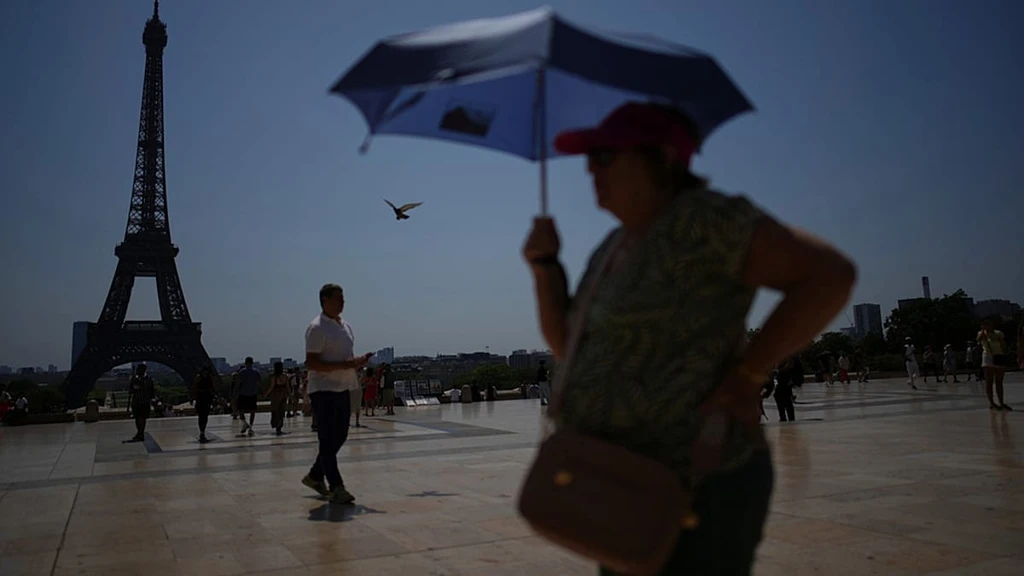
France faces a critical public health emergency as extreme heat claims approximately 5,400 lives annually. New data from Oxfam indicates that heatwaves increase heart attack risks by seven percent and acute kidney failure by seventy percent during prolonged episodes. Mortality rates are twice as high for women on the hottest days.
Climate change is actively widening socioeconomic divides. Disadvantaged neighborhoods experienced thirty-one percent excess mortality compared to wealthy areas during the summer of 2025. Residents in affluent urban zones face up to ten times less exposure to extreme heat risks due to better infrastructure and green spaces.
The Housing Foundation reports that sixty-six percent of French citizens struggle with indoor heat. Forty percent of homes lack essential shutters, creating dangerous conditions in working-class districts characterized by dense construction and heat-intensifying materials. These populations often reside in poorly insulated housing and hold jobs with higher thermal exposure.
Advocacy groups are urging immediate government intervention through accelerated energy-efficiency renovations. Proposals include the Zero boiler-like homes bill and a national program to install cooling infrastructure by 2040. Organizations also demand strengthened Green Funds and high-heat protection schemes modeled after existing winter emergency plans to safeguard vulnerable populations.