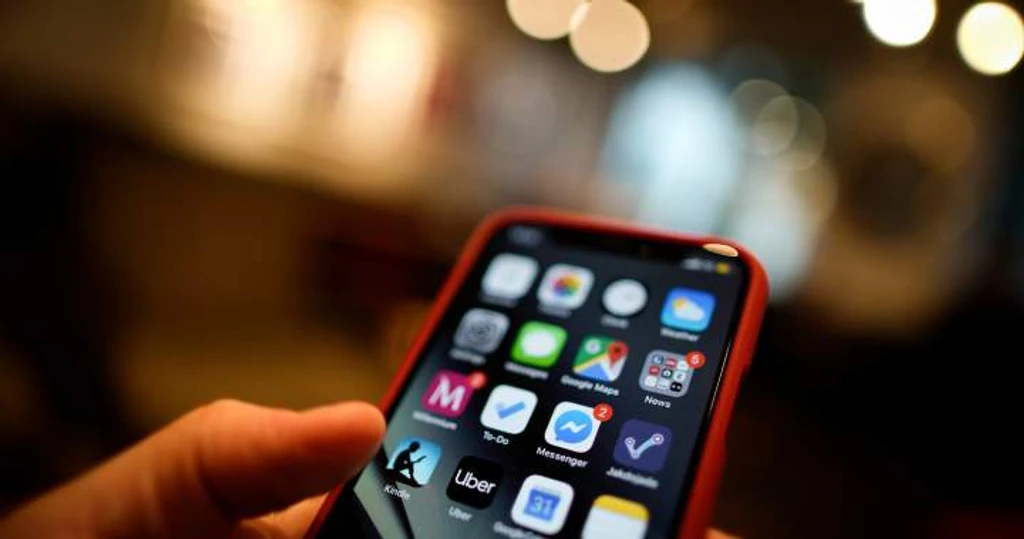
Fertility rates have plummeted globally, but a new study highlights a specific catalyst: the iPhone. U.S. economist Caitlin Myers of Middlebury College found that birth rates dropped significantly faster in counties where the smartphone became available shortly after its 2007 launch.
Myers’ analysis controlled for income, education, and contraceptive access, isolating smartphone availability as a key variable. The prevailing theory is straightforward: increased screen time reduces face-to-face interaction, directly impacting conception opportunities. "It’s hard to get pregnant when you’re not in person with somebody," Myers noted.
The data reflects a stark reality. In the United States, births have fallen by nearly a quarter since 2007, with the fertility rate settling at 1.6 children per woman-well below replacement levels. Canada reports an even lower rate of 1.25, marking its first annual population decline on record.

Experts caution against attributing this complex demographic shift solely to technology. Broader socioeconomic factors, including the 2008 financial crisis, rising housing costs, and greater reproductive autonomy for women, remain primary drivers. Nevertheless, the correlation between digital connectivity and declining birth rates offers a compelling lens through which to view modern family planning trends.