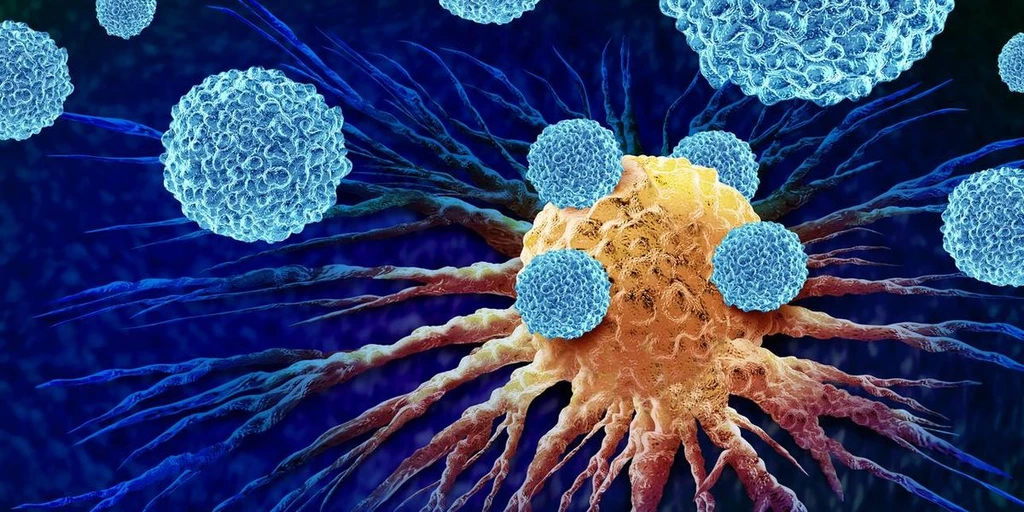
Urothelial bladder cancer (UBC), the most common form of bladder cancer in the U.S., affects about 85,000 people annually. Immunotherapy has emerged as a powerful treatment, using the body’s immune system to target cancer cells.
The immune system recognizes cancer cells through antigens and deploys soldiers (immune cells) and weapons (antibodies) to neutralize threats. It can also remember past invaders for faster responses.
Key immune cells include:
- B cells (produce antibodies)
- CD4+ helper T cells (signal attacks)
- CD8+ killer T cells (destroy infected cells)
- Dendritic and macrophage cells (analyze and present threats)
- Regulatory T cells (prevent autoimmune reactions)
Immunotherapy works in two main ways: strengthening natural immunity or enhancing it with lab-made components.
For UBC, treatments include:
- Immune checkpoint inhibitors (PD-L1/PD-1 blockers)
- Intravesical therapy (BCG, Adstiladrin, Anktiva)
- Antibody drug conjugates (ADCs)
Combination approaches are increasingly common, often paired with chemotherapy, radiation, or surgery.