A groundbreaking study reveals that individualized mRNA neoantigen vaccines have successfully elicited durable T cell immunity in patients with triple-negative breast cancer (TNBC). TNBC, known for its tendency to recur and metastasize, presents a significant challenge in cancer treatment. This new vaccine approach, utilizing next-generation sequencing to identify and target somatic cancer mutations as neoantigens, has shown remarkable potential.
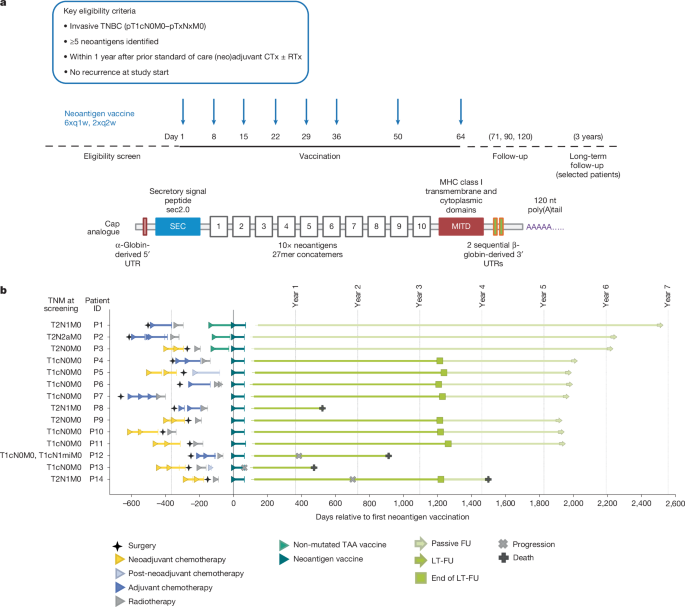
The investigational vaccine is designed to encode multiple patient-specific cancer mutations on modified uridine mRNA. These mRNA molecules are then formulated into liposomal nanoparticles for intravenous administration, targeting dendritic cells to stimulate a potent immune response. The study found that all 14 evaluable patients mounted vaccine-induced T cell responses against one or more of their individual vaccine targets. In many cases, these responses were high-magnitude and persisted for years after vaccination.
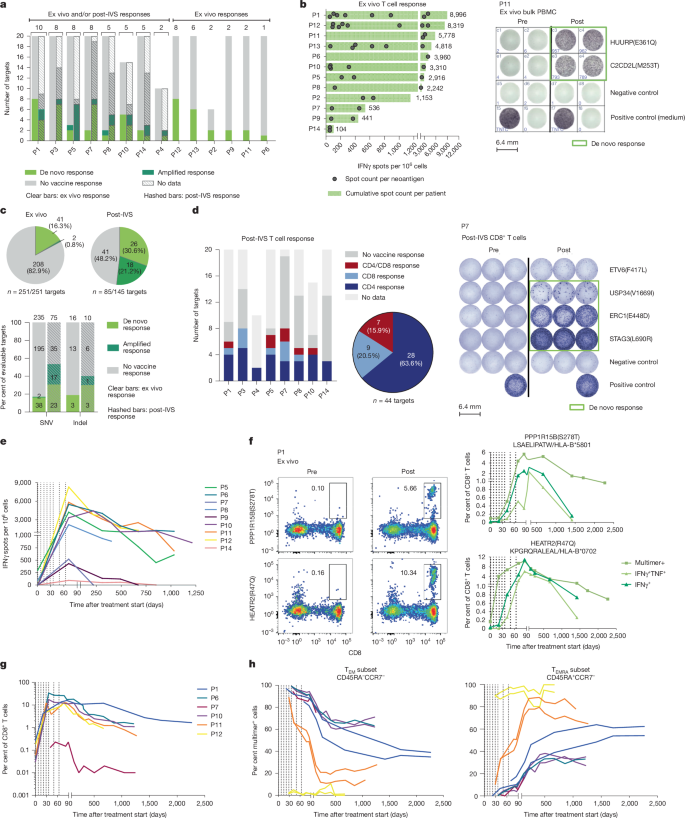
Researchers observed that the induced T cells exhibited effector and memory phenotypes, with a subset retaining stem-like memory characteristics, suggesting the potential for long-term immune surveillance. While the vaccine was generally well-tolerated, with common side effects being mild reactogenicity symptoms, the study also highlighted mechanisms of immune escape in patients who experienced disease recurrence. These included potential downregulation of antigen presentation pathways.
Despite some instances of recurrence, the high immunogenicity, durability of responses, and early signs of clinical activity observed in this trial underscore the promise of personalized mRNA neoantigen vaccines. Further clinical testing is warranted to explore its full potential in treating TNBC and potentially other cancer types.