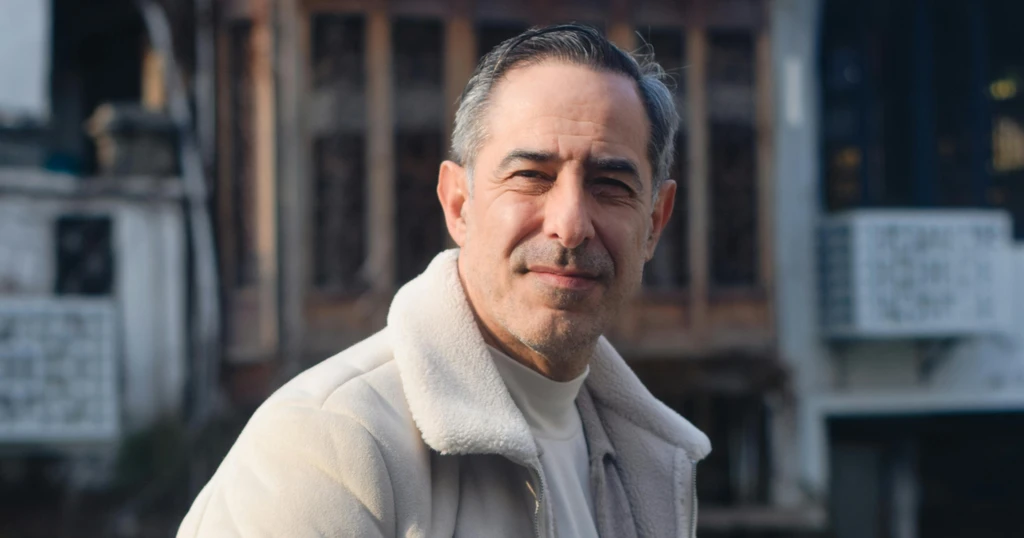
A 66-year-old man realized forty years of perceived mental strength was merely a practiced habit of emotional disappearance. He confessed to a therapist that he couldn't recall the last time he'd allowed anyone to see him struggle. Growing up, showing vulnerability was seen as dangerous social suicide. His father, a pipefitter, never spoke of his day or any hardships. This pattern continued into the man's own electrical business, where he maintained a "stone face" despite personal worries.
This habit cost him. His wife felt married to a "ghost," sensing his distress but receiving only "fine" or "it's handled" in response. He realized by hiding his struggles, he was signaling to loved ones they weren't important enough to trust. His children experienced an emotionally absent father, turning to their mother for support.
A therapist challenged his self-sufficiency, calling his decades of hiding a lie. She explained that refusing to show struggle isn't strength; it's dishonesty that deprives loved ones of genuine connection and teaches them to shame their own vulnerabilities.
Learning to be present has been difficult. The man shared his fear of retirement with his wife, expecting disappointment but receiving relief: "Finally. There you are." He began admitting his worries and uncertainties, leading to deeper connections and increased vulnerability from his wife. He found journaling helped prepare him for speaking his truth aloud.
True strength, he asserts, is not the absence of struggle but remaining present through it. It's admitting when you don't have answers and being human with others. He spent forty years in fear, masquerading toughness as hiding. Real strength means staying visible when the instinct is to disappear.