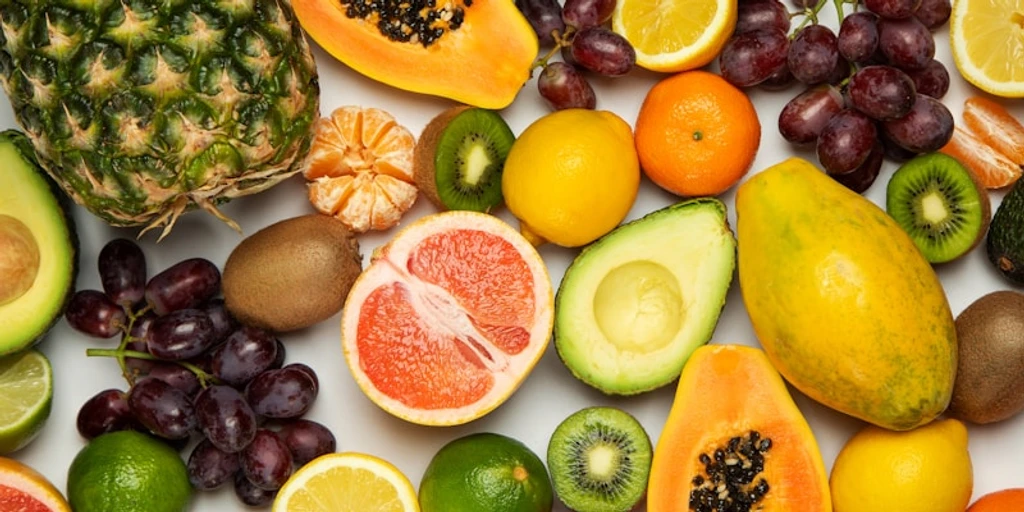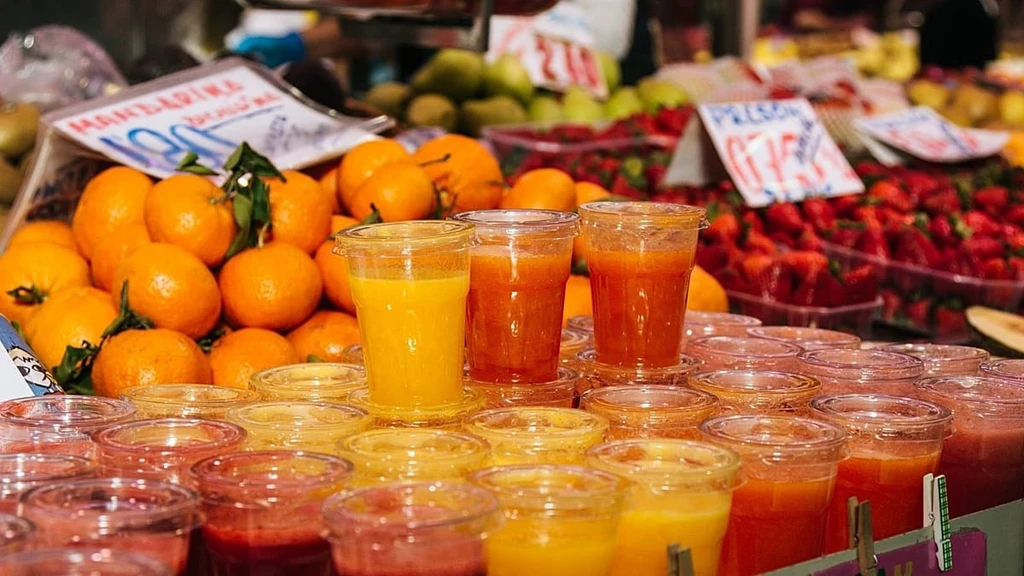
Health authorities across Europe recommend five portions of fruit or vegetables daily, but in 2023, Europeans averaged just 351 grams per day-well below the WHO's recommended 400 grams. Rising costs and spoilage are key barriers.
Researchers from Newcastle University in the UK conducted a small trial to see if fruit juice or smoothies could count as one of those daily portions. Participants were split into three groups: one ate five whole fruits and vegetables daily for four weeks, another supplemented with fruit juice, and the third maintained their normal diet.
Both intervention groups showed significantly higher fruit and vegetable intake, along with improvements in reported depression symptoms. The study defined "fruit juice" as strictly free of added sugars, preservatives, flavorings, or colorings.
Despite these findings, most dietary guidelines remain cautious. In France, juice doesn't count toward fruit intake. Germany recommends it only occasionally (150ml-200ml, max twice weekly). The UK advises a maximum of 150ml daily, counting as one portion. Denmark accepts a small glass as part of its six-portion guideline.
Key concerns: juice's high sugar and low fiber content compared to whole fruit. Whole fruits provide essential nutrients, fiber, and antioxidants that support digestion, immunity, and chronic disease prevention-many of which are lost during processing.
Previous research links regular juice consumption to lower energy levels and poorer sleep quality. For most experts, juice remains a supplement, not a substitute, for whole fruit.