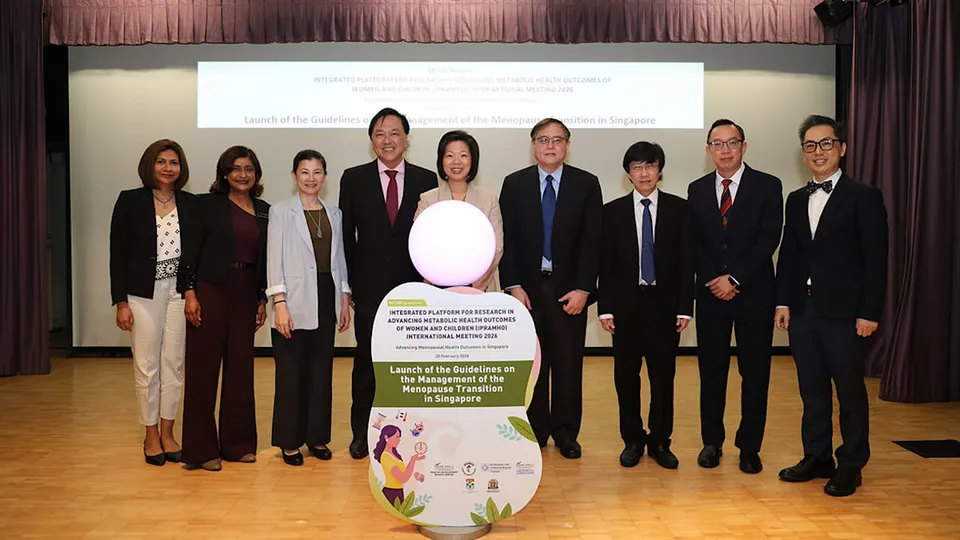
Singapore's KK Women's and Children's Hospital (KKH) has launched the nation's inaugural guidelines for managing the menopause transition. This initiative aims to standardize care for women entering a phase where they will spend approximately one-third of their lives post-menopause.
The "Guidelines on Management of the Menopause Transition" were developed by KKH's Maternal and Child Health Research Institute, involving a multidisciplinary panel of medical experts and patient advocates. The framework addresses diagnosis, treatment, and long-term care for menopausal women.

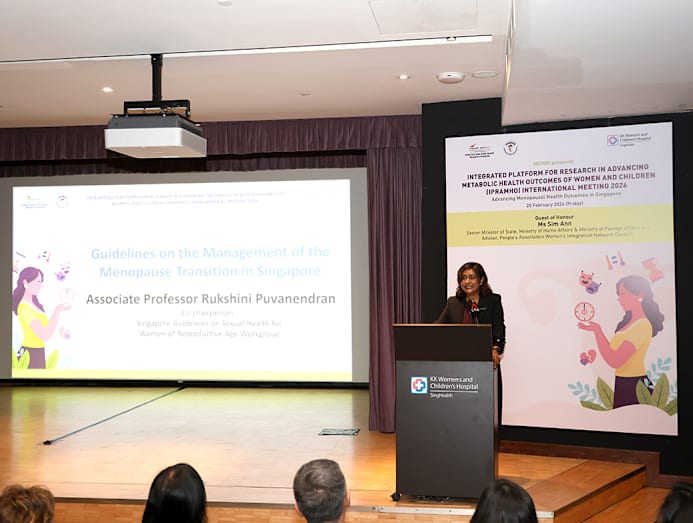
Associate Professor Rukshini Puvanendran highlighted the growing need for such care, stating that menopause transition is frequently overlooked in both women's lives and healthcare settings. Two 2025 KKH studies revealed that 70 percent of women experiencing moderate to severe symptoms did not seek medical help, while 90 percent of healthcare professionals lacked confidence in diagnosing and treating menopausal symptoms.
The guidelines cover essential aspects including clinical diagnosis, the role and safety of menopause hormone therapy (MHT), management of early menopause, lifestyle optimization, and addressing intimate health concerns.
Key recommendations reaffirm MHT as safe and effective for treating hot flushes, mood issues, and preventing osteoporosis for suitable candidates under 60. Non-hormonal treatments are also an option for those who cannot or prefer not to use MHT.
Specialized management is outlined for women experiencing early menopause (before 45) or premature ovarian insufficiency (POI) before 40, emphasizing long-term cardiovascular, bone, and brain health. Fertility preservation options are also discussed.
Lifestyle optimization, including balanced diet, regular exercise, weight management, and stress reduction, is stressed as fundamental to menopause care. The guidelines also encourage healthcare professionals to proactively screen for and address intimate health issues, often unreported due to stigma.

These guidelines will be disseminated through partner organizations, including the College of Obstetricians and Gynaecologists Singapore, to ensure broader implementation and improved health outcomes for women.